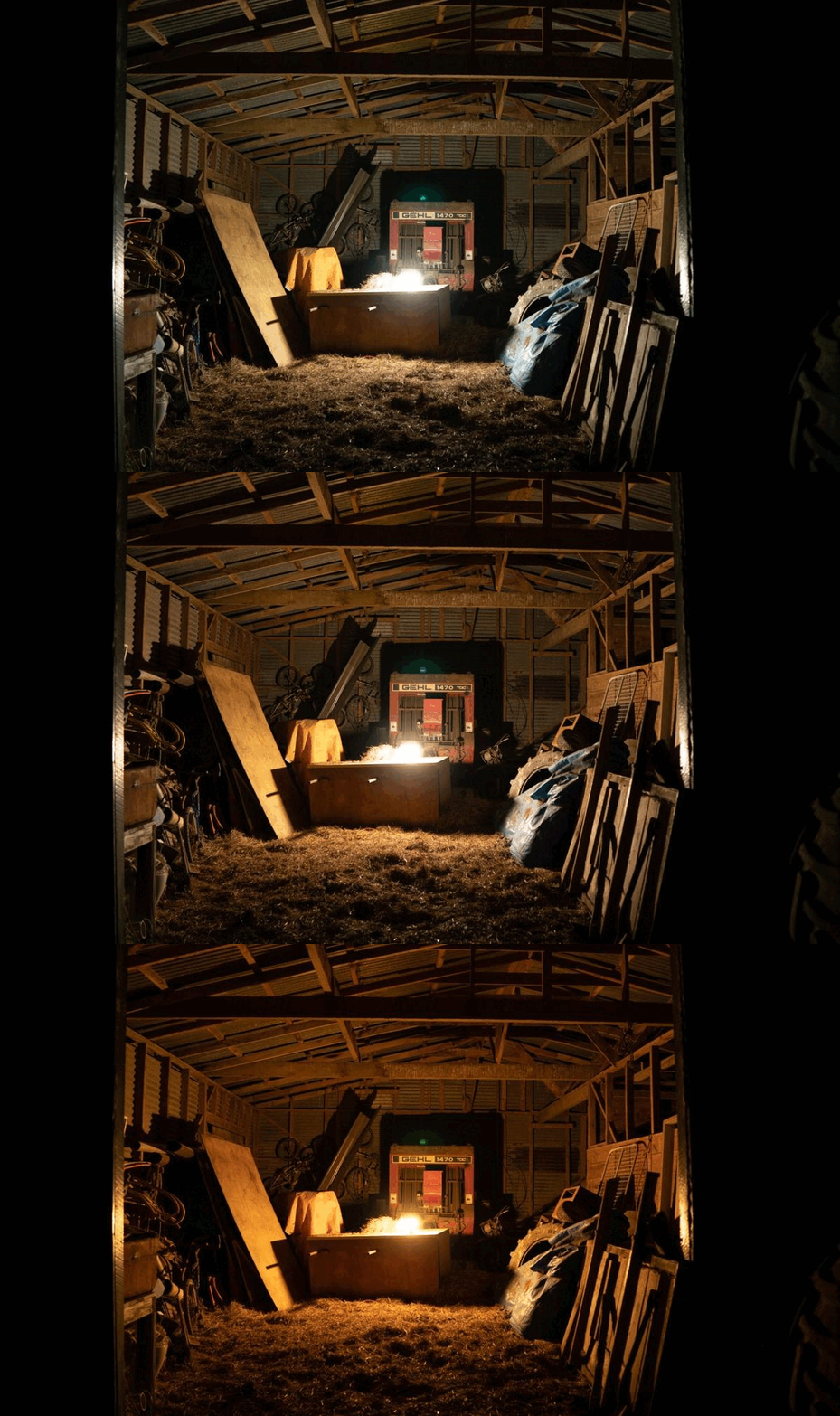
Sofirn
$32
Sofirn LT1S
Flood/~60°/49 m
- Lumens
- 500
- Candela
- 600
- Cell
- 21700
- Weight
- 4.5 oz
Samsung LH351D (mixed CCT)
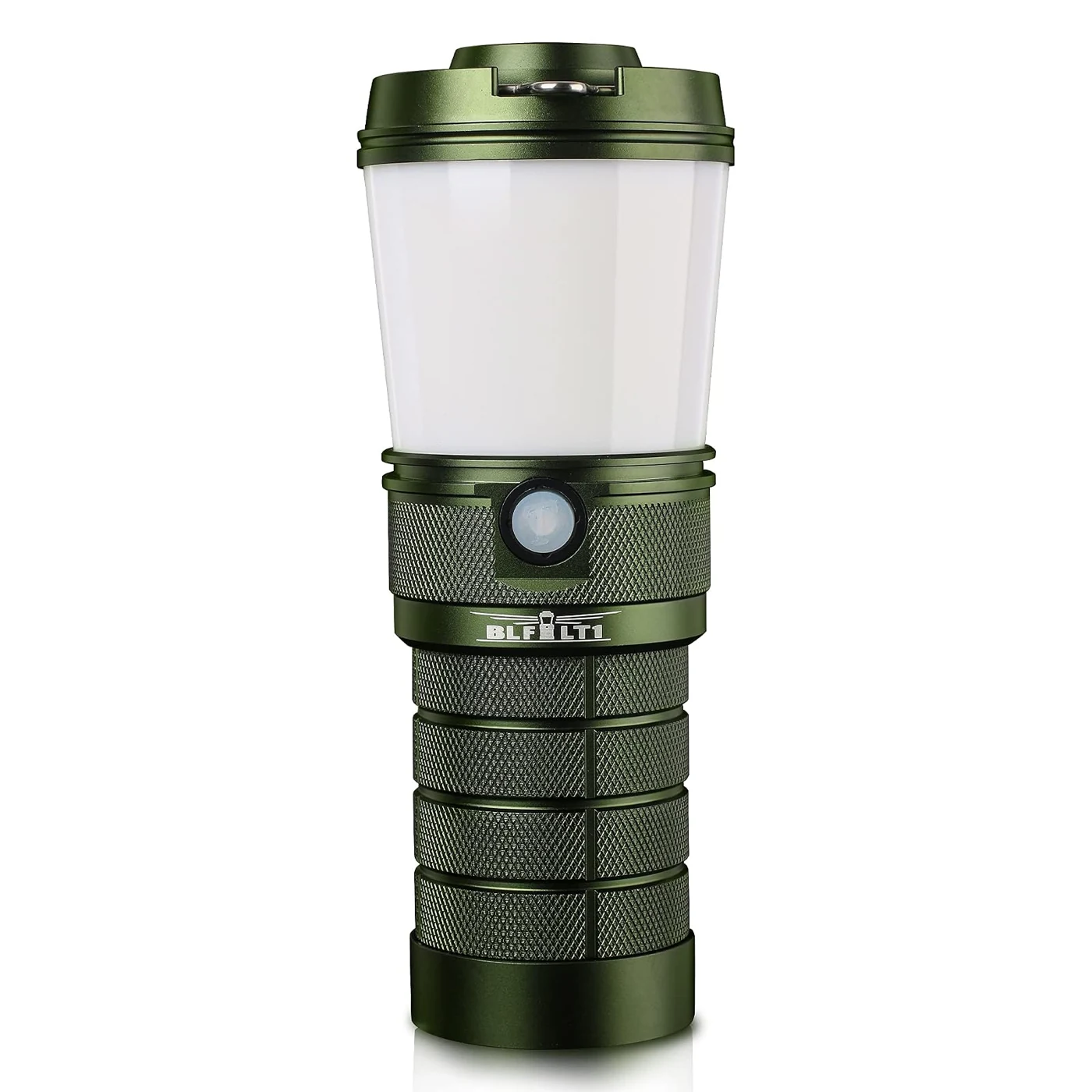
Sofirn/Lantern
A camping-lantern favourite. The LT1 runs Anduril 2 with variable colour temperature mixing from warm to cool, and takes 4x 18650 for long runtime. A camp essential.
Beam profile
Flood, about 57° wide. Wide and even — light where you are, not where you're pointing.
Estimated from 600 lm ÷ 800 cd — how this works
Affiliate link — we may earn a commission at no extra cost to you. The price shown is a snapshot from the last catalog sweep, not a live figure.
Manufacturer figures, measured to ANSI FL1 where the brand states it.
Sofirn LT1/4 sources reviewed
The LT1 is the camping lantern enthusiasts actually recommend, and the reason is colour temperature mixing: it ramps continuously from very warm to cool white, with a separate red channel, all under Anduril. Being able to dial a warm, low, red-shifted light in a tent — and a bright neutral one for cooking — is what separates it from every generic lantern.
Build quality is good, with thick even anodising and no sharp edges. The complaints are small and physical: the carry bail is squeaky and gritty in use, and the bottom cap threads are awkward to start because of a large, stiff spring. It runs on four 18650s for genuinely long runtime. Note that the later LT1S dropped Anduril for a Sofirn-designed interface, which reviewers regard as a downgrade from the original's main strength.
Sofirn
$32
Flood/~60°/49 m
Samsung LH351D (mixed CCT)
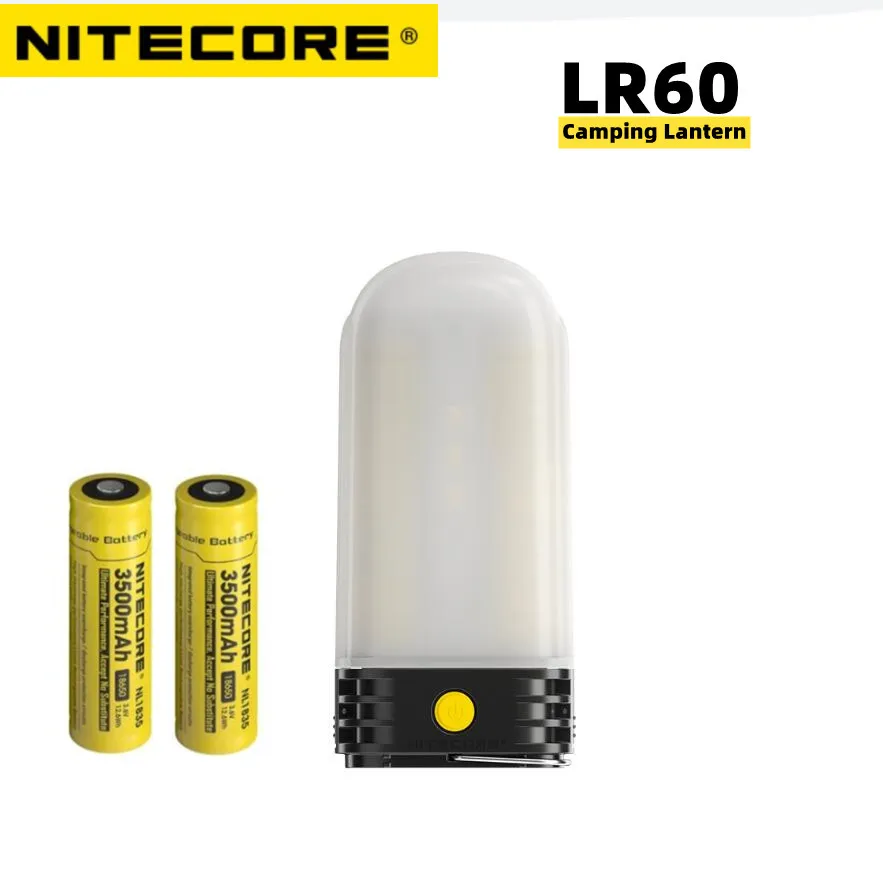
Nitecore
$40
Flood/~49°/45 m
High CRI LED + UV
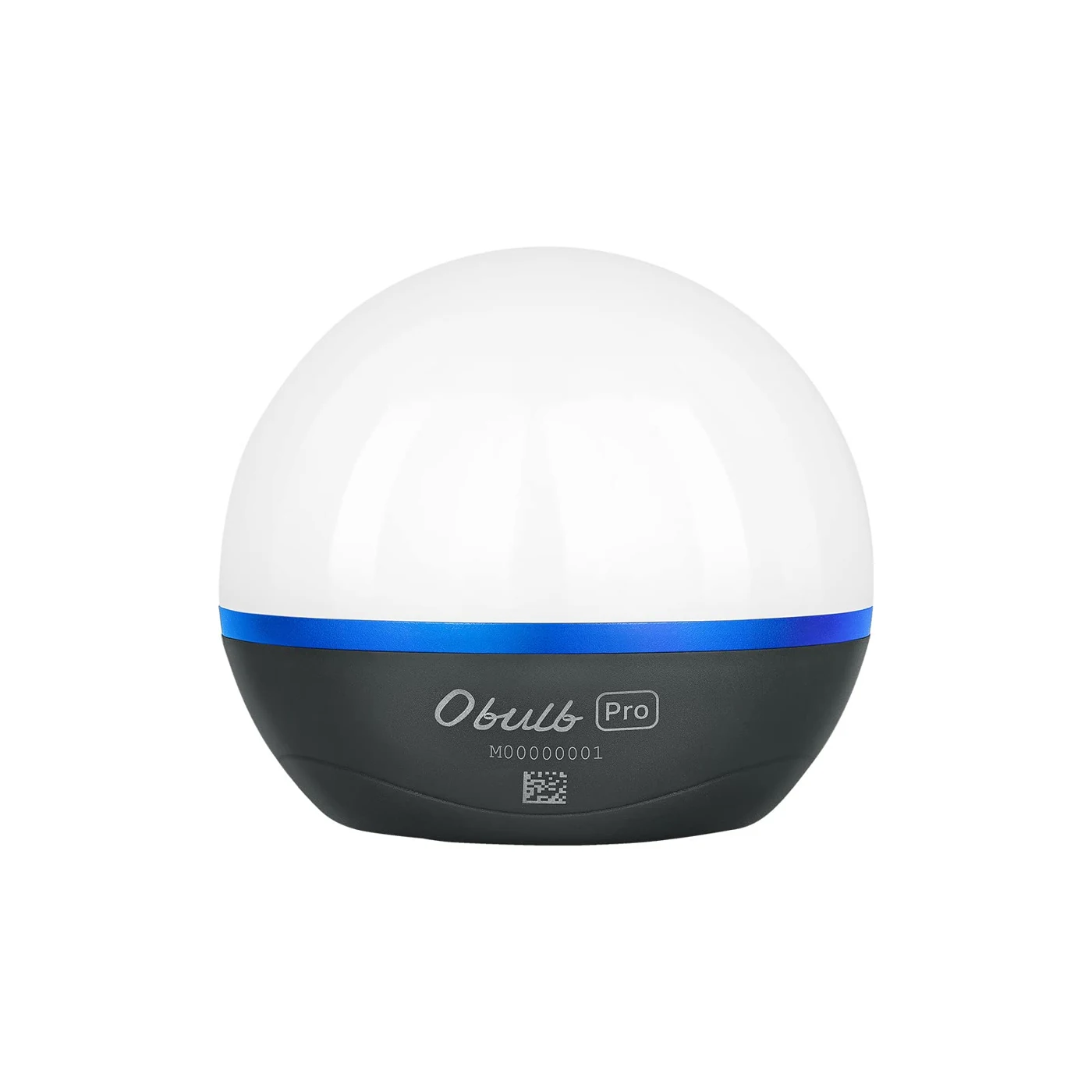
Olight
$40
Flood/~58°/35 m
Multi-color LED
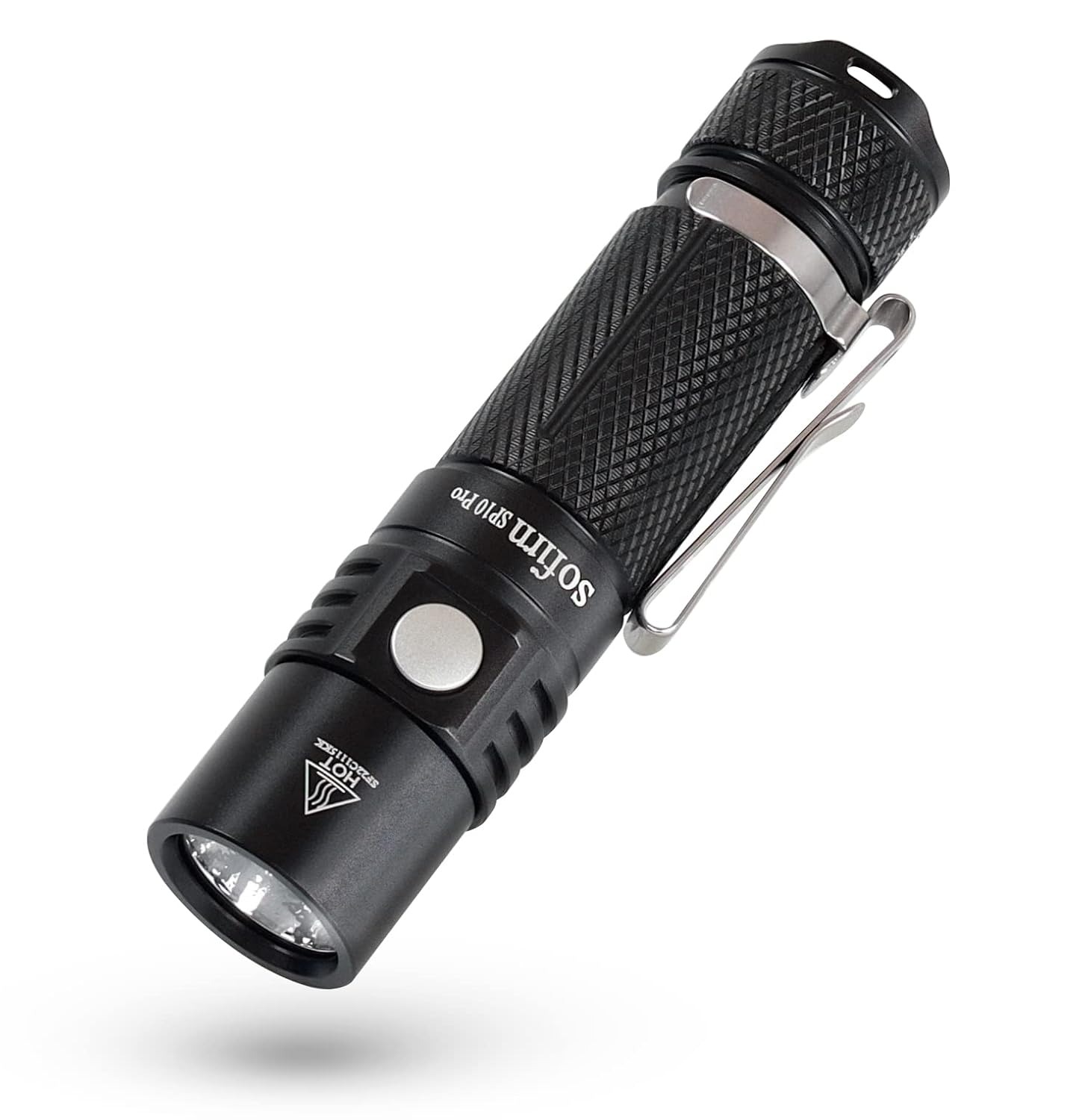
Sofirn
$20
Flood/~33°/119 m
LH351D 5000K
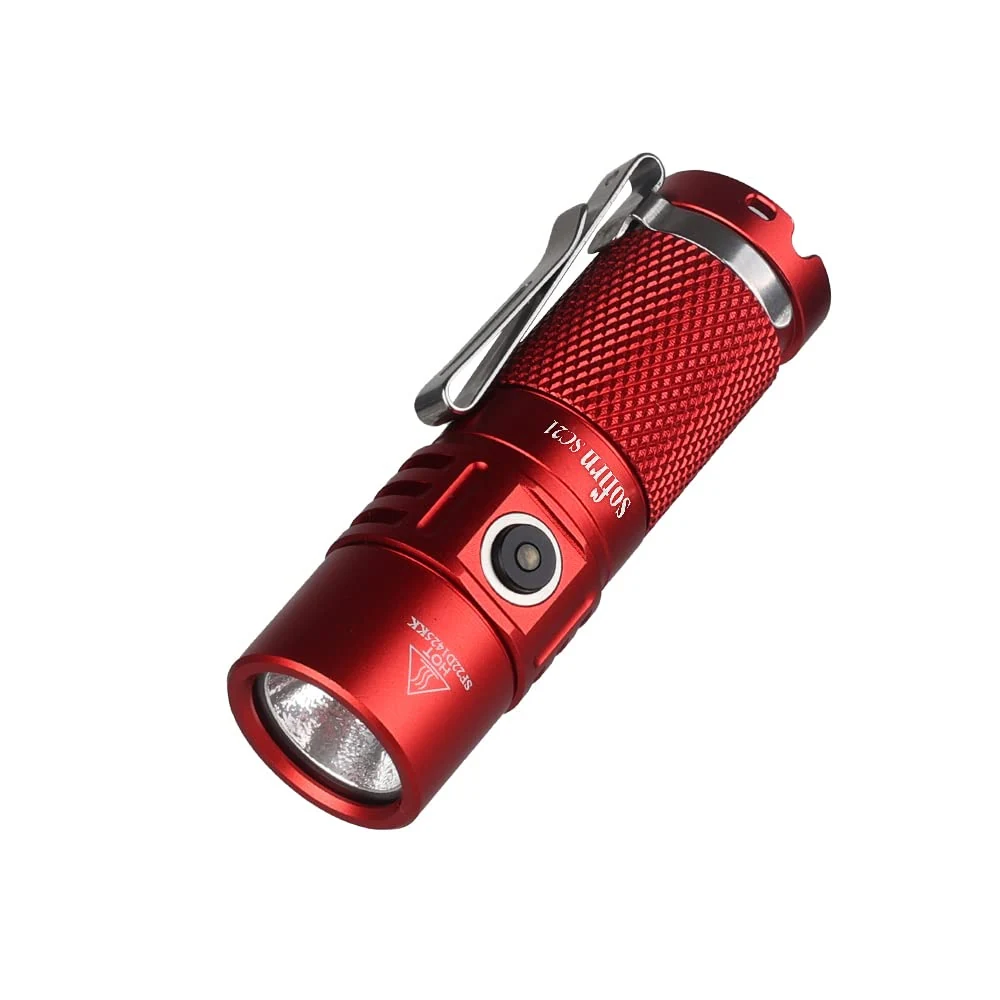
Sofirn
$20
Balanced/~29°/143 m
LH351D 5000K
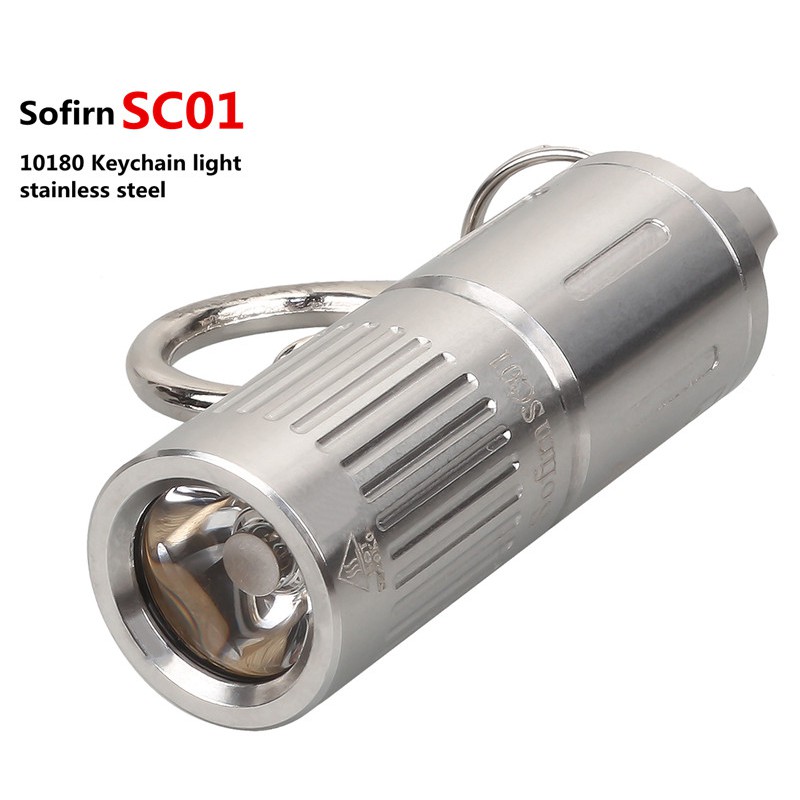
Sofirn
$10
Balanced/~28°/85 m
SST-20 5000K