Best Camping Lanterns
Beam Picker tracks 7 Lantern flashlights — area lanterns for camping, tents, and power outages — from 5 brands, priced $29.95 to $79.95. The brightest is the Wurkkos TS27 at 3,200 lumens. Compare them all below.
A lantern is judged by the opposite of what a flashlight is judged by. The ANSI/PLATO FL1 beam distance figure is the point where the beam falls to 0.25 lux, roughly full moonlight, and peak intensity in candela describes the hottest spot at the center. Both reward a narrow, focused beam, which is exactly what a lantern is built to avoid. So the 800 cd and 57 m printed for the Sofirn LT1 say very little about how it lights a picnic table. What matters here is how evenly the light spreads, how warm it looks, how long it lasts on a low setting and how it hangs.
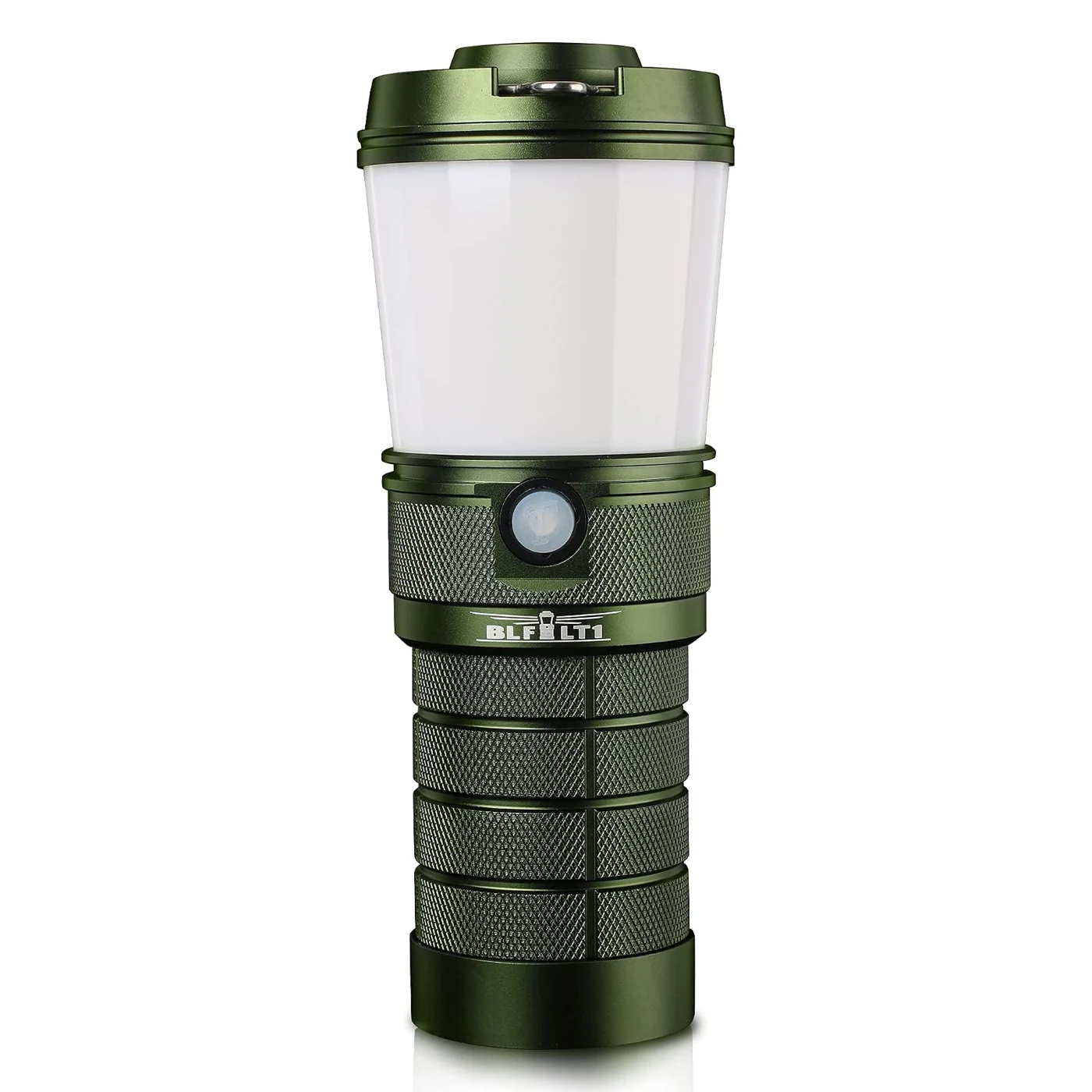
Across the lights listed here, extra money mostly buys battery capacity and bulk rather than lumens. The Goal Zero Crush Light at $29.95 weighs 3.2 oz and puts out 60 lumens, enough for the inside of a tent. The BioLite AlpenGlow 500 and Goal Zero Lighthouse 600, both $79.95, weigh 13.4 oz and 17.6 oz and are camp-table and power-outage lights. Between them sit the two Sofirns: the LT1S at $41 on a single 21700 cell at 500 lumens, and the LT1 at $62, which runs Anduril 2 and is the one to hang over a group site. The Wurkkos TS27 at $65.99 is a hybrid: a long-range spotlight head with a ring of lantern LEDs.
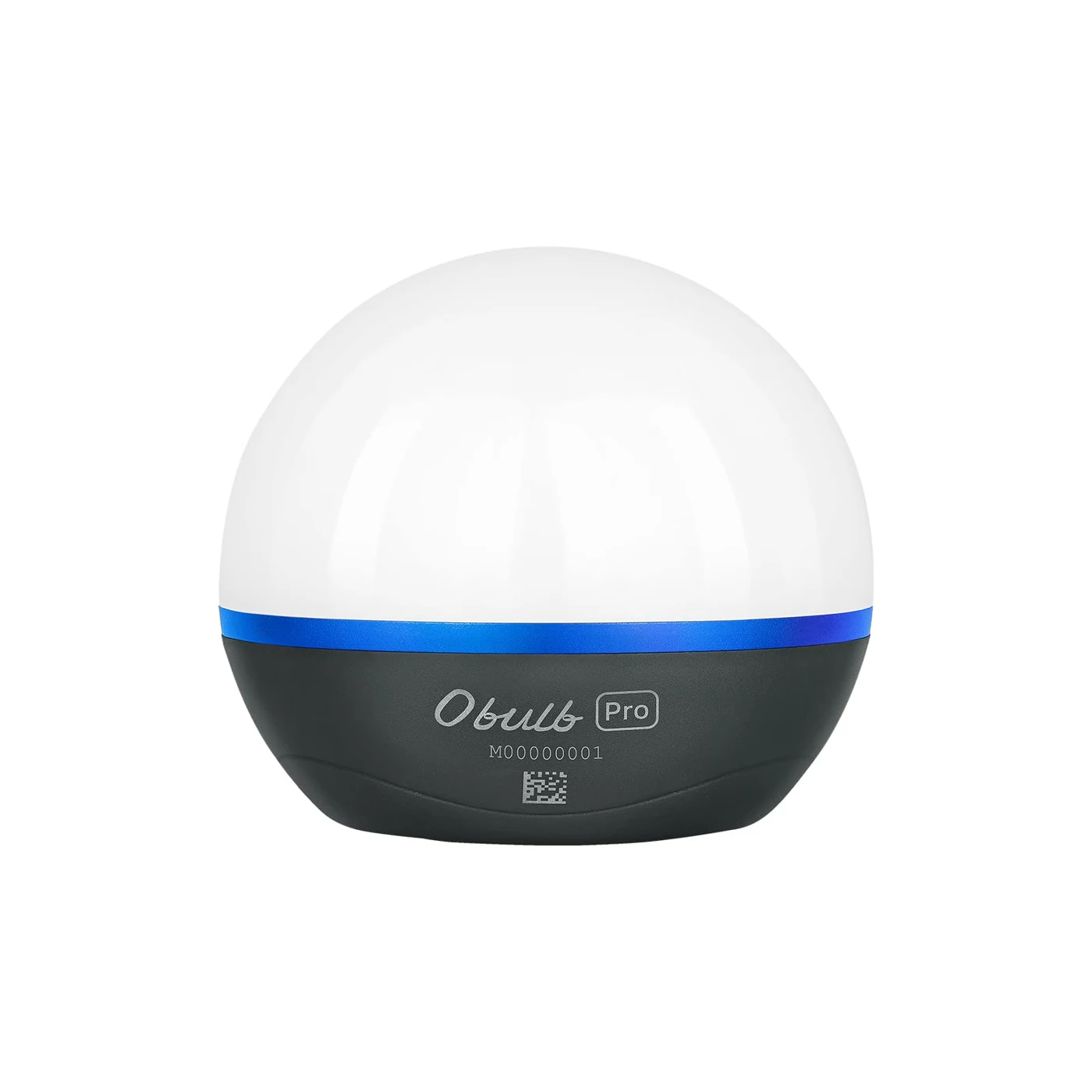
Color, more than brightness, is what lantern owners keep coming back to. LT1 owners single out the continuous warm-to-cool mixing and the separate red channel, which lets one light do a dim, warm tent glow and a bright neutral light for cooking. Owners of the Nitecore LR60, now discontinued, noted its 90+ CRI diffused beam, rare in a lantern, and that it doubled as a power bank with a magnet and tilting ring. The Olight Obulb Pro, also discontinued, was described as a soft orb to hang in a tent or drop in a bag, and LT1S owners say it balances brightness, runtime and packability without giving up the color mixing.
The neighboring choice is a headlamp. A headlamp lights where one person looks, and around a shared camp it dazzles everyone else; a lantern lights the space, which is why buying guides treat it as the group light. OutdoorGearLab puts 100 lumens or less as enough for two or three people and 200 or more for a larger group, so most lanterns here have headroom to spare.
Sources: pid.pelican.com, outdoorgearlab.com, advnture.com
Sofirn
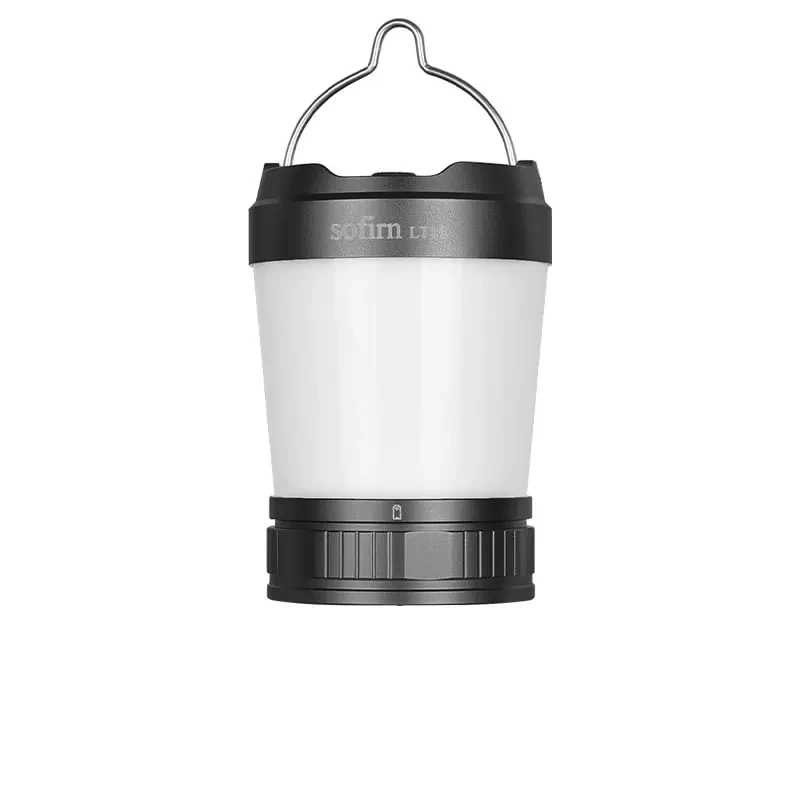
$41
Sofirn LT1S
Flood/~60°/49 m
- Lumens
- 500
- Candela
- 600
- Cell
- 21700
- Weight
- 4.5 oz
Samsung LH351D (mixed CCT)
BioLite
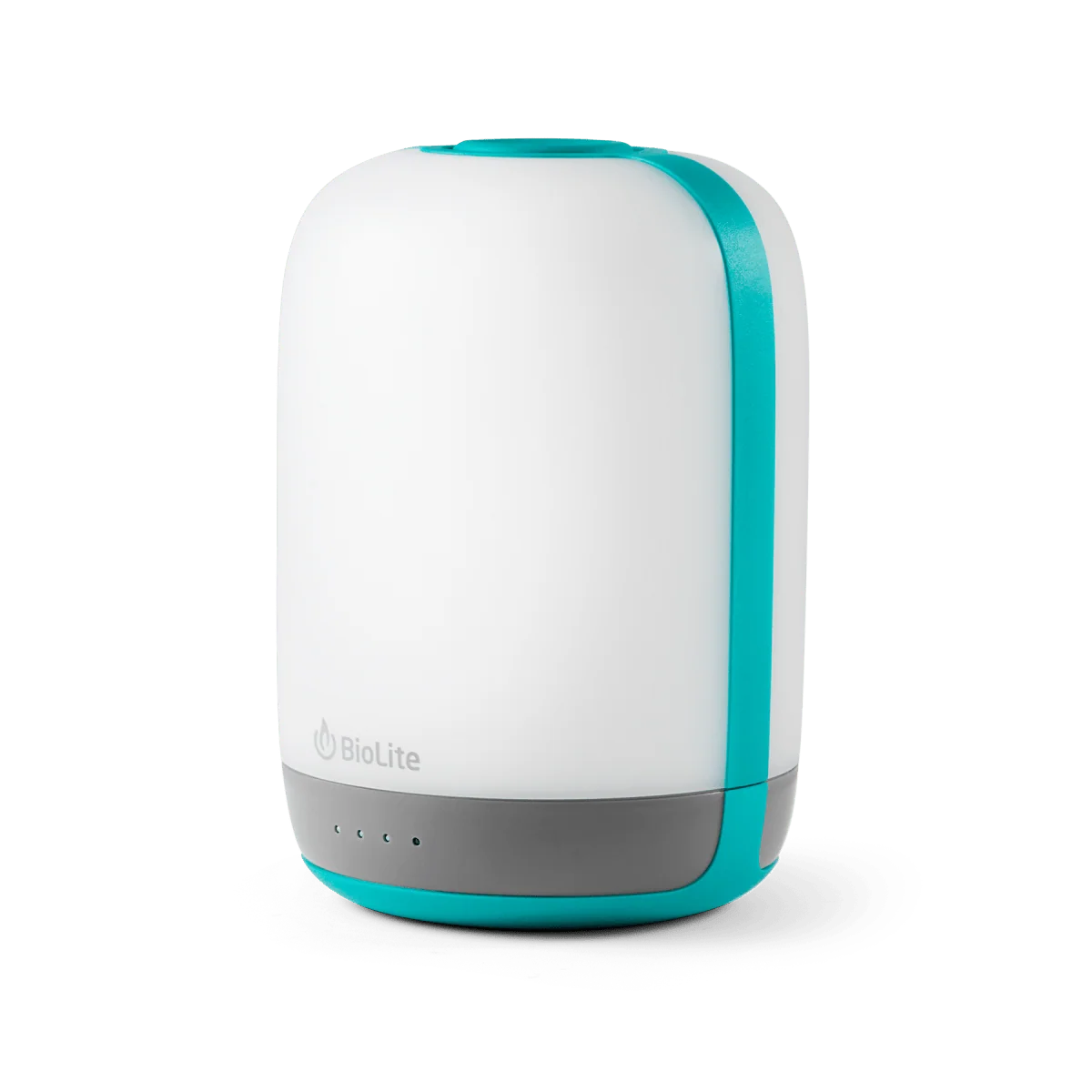
$79.95
BioLite AlpenGlow 500
- Lumens
- 500
- Candela
- —
- Cell
- Built-in
- Weight
- 13.4 oz
ChromaReal broad-spectrum LED
Black Diamond
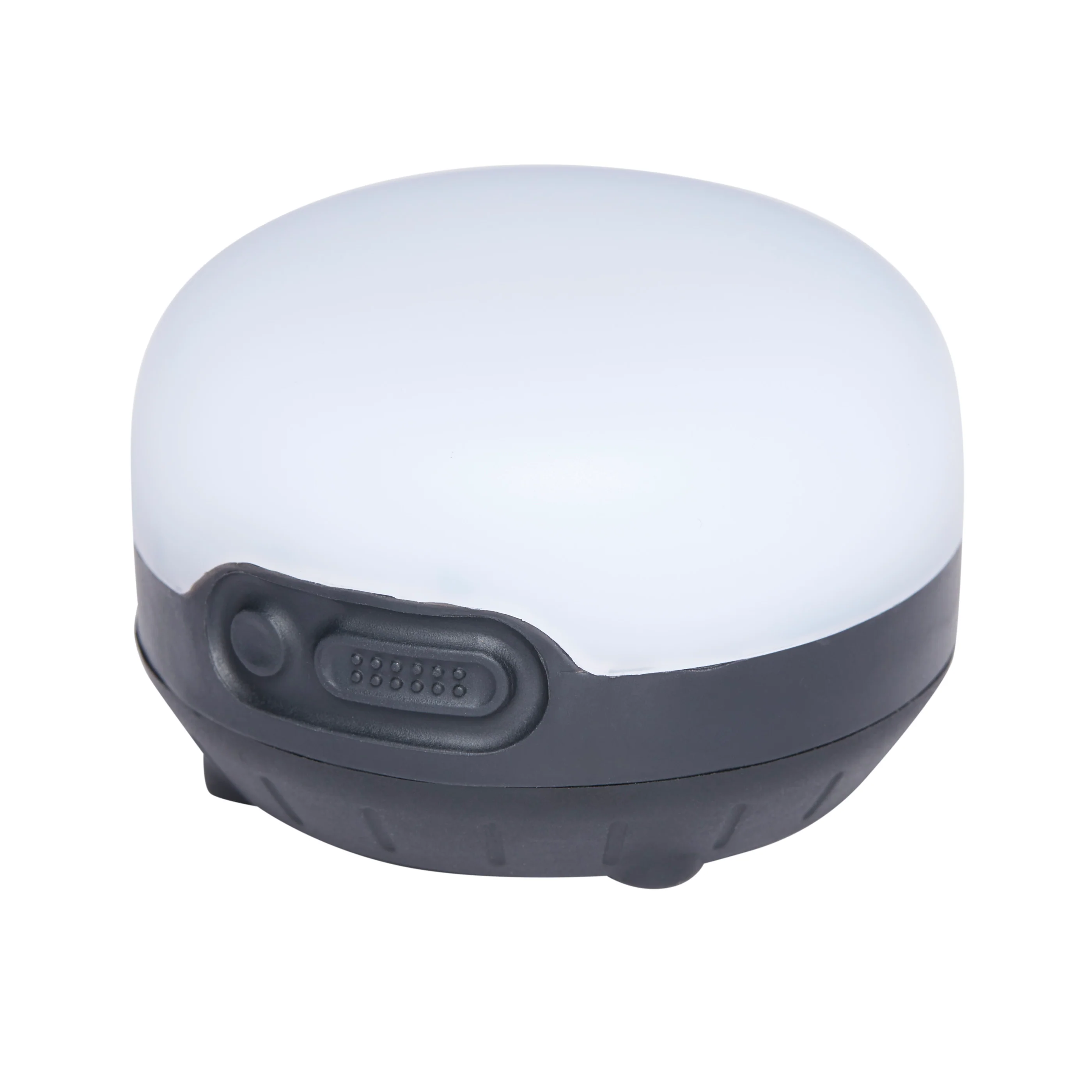
$49.95
Black Diamond Moji R+
- Lumens
- 200
- Candela
- —
- Cell
- Built-in
- Weight
- 6.0 oz
Not named by the maker
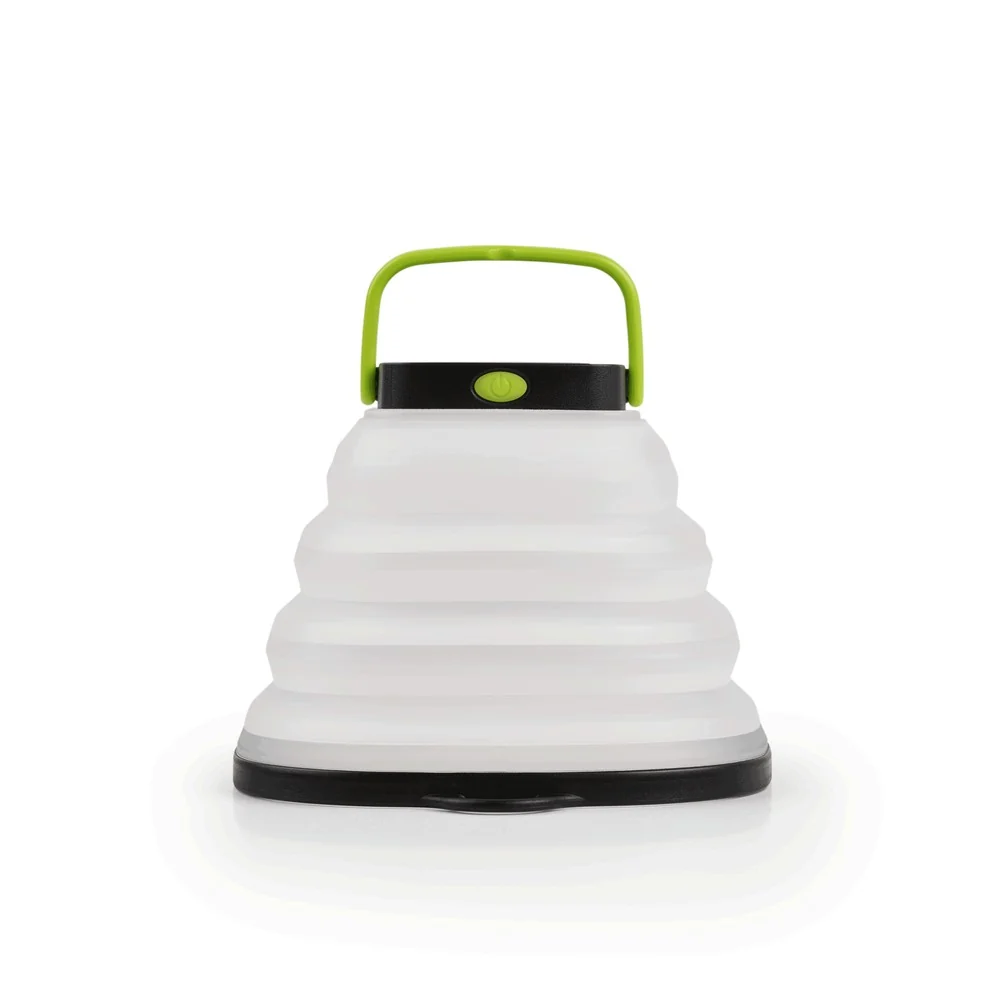
Goal Zero
$29.95
Goal Zero Crush Light
- Lumens
- 60
- Candela
- —
- Cell
- Built-in
- Weight
- 3.2 oz
Not named by the maker
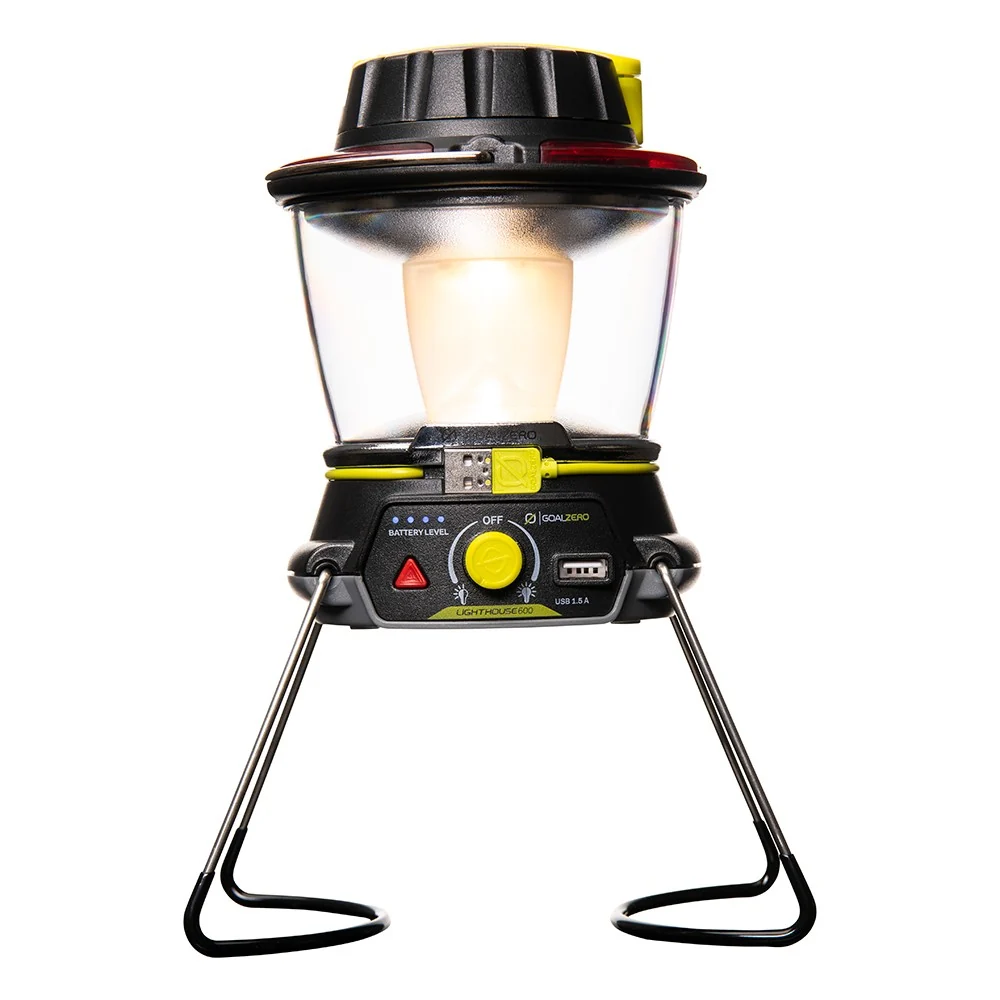
Goal Zero
$79.95
Goal Zero Lighthouse 600
- Lumens
- 600
- Candela
- —
- Cell
- Built-in
- Weight
- 17.6 oz
Not named by the maker
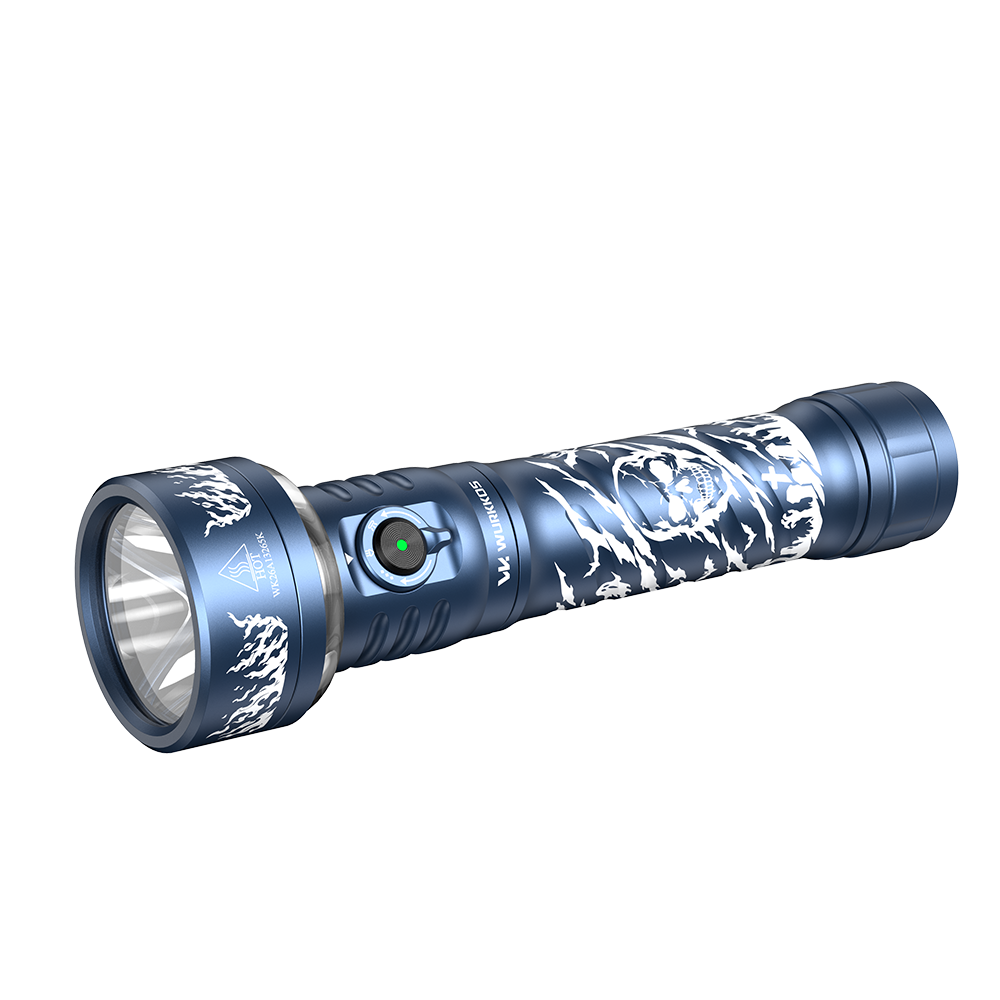
Wurkkos
$65.99
Wurkkos TS27
Thrower/~8.5°/845 m
- Lumens
- 3200
- Candela
- 184575
- Cell
- Built-in
- Weight
- 21.4 oz (with battery)
Luminus SFT-70.2 6500K + 90 lantern LEDs (warm/cool/RGB)
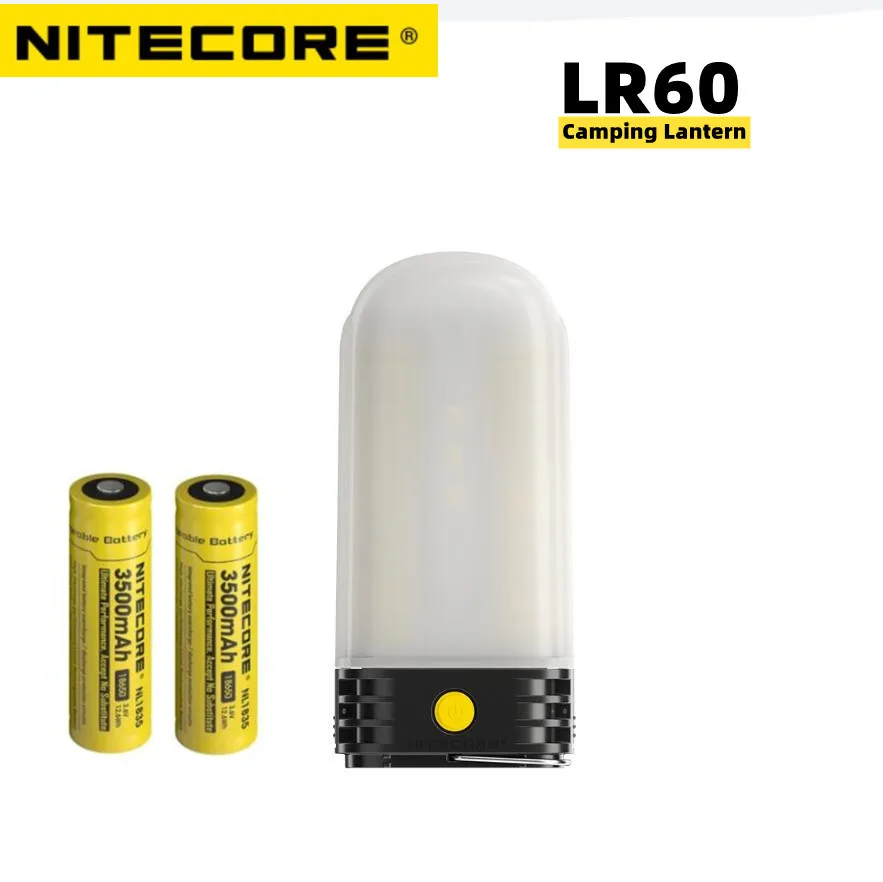 Discontinued
 Discontinued
Best Camping Lanterns: common questions
How bright does a camping lantern need to be?▾
OutdoorGearLab's buying advice says a small group of two or three can get by on 100 lumens or less, while a larger group may want 200 lumens or more. Every lantern listed here except the 60-lumen Goal Zero Crush Light clears that higher figure at its top setting.
Should I bring a lantern or a headlamp camping?▾
Most people end up carrying both. A headlamp is for walking and hands-free tasks, while a lantern spreads a diffuse light over a table or tent so a group can share it without shining beams in each other's eyes.
Why are beam distance figures low or missing on lanterns?▾
The ANSI FL1 beam distance is measured to the point where light falls to 0.25 lux along the beam's center, which favors tightly focused lights. A lantern deliberately spreads its output in every direction, so a short or missing figure is expected and not a weakness.