Rovyvon
$37
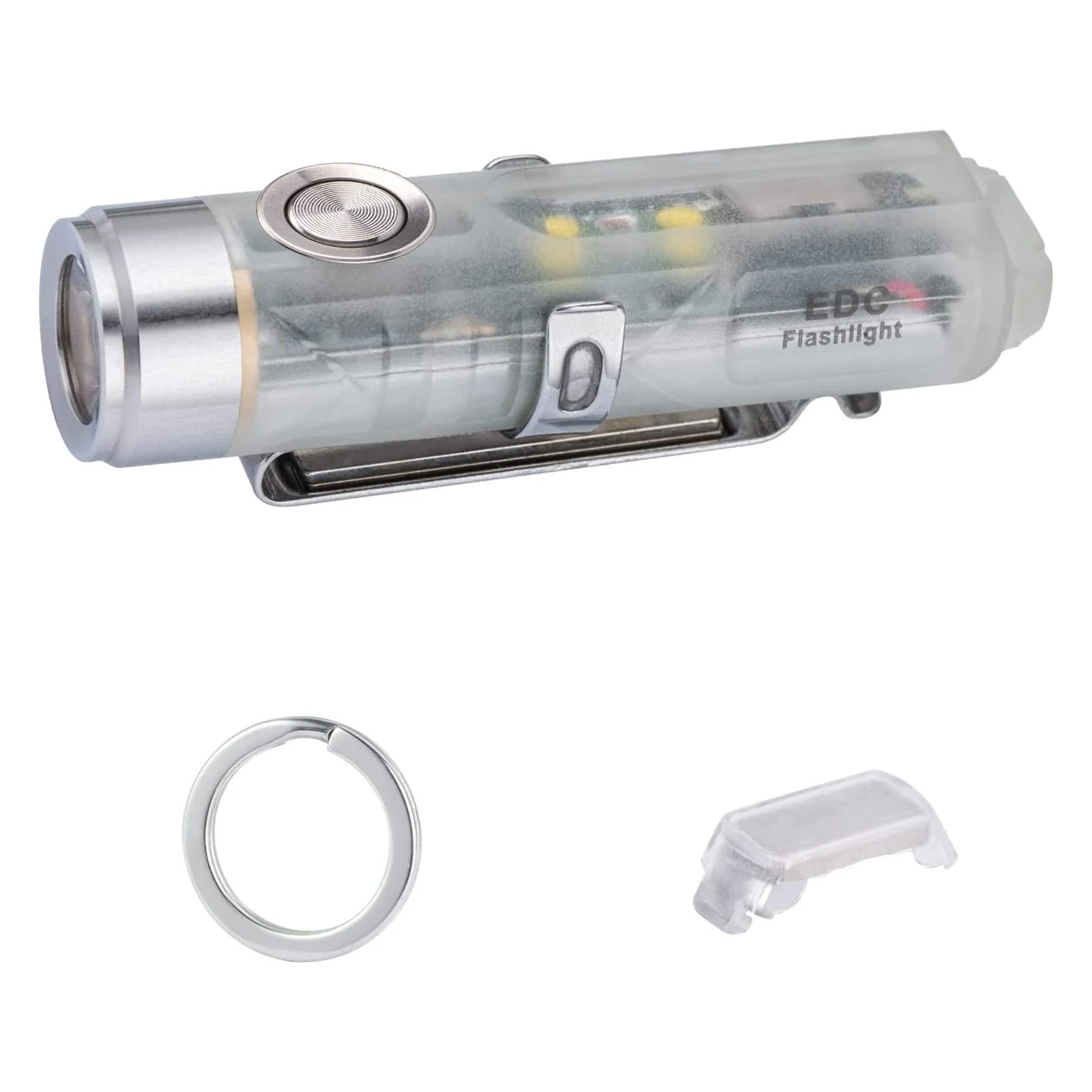
Rovyvon Aurora A5
Flood/~33°/110 m
- Lumens
- 650
- Candela
- 2500
- Cell
- Built-in
- Weight
- 0.5 oz
Not named by the maker
Beam Picker tracks 17 Keychain flashlights — tiny keychain lights you can carry absolutely everywhere — from 12 brands, priced $8 to $49.99. The brightest is the Manker LAD III at 1,020 lumens. Compare them all below.
A keychain light is the one you have when you did not plan to need a light. It rides on the key ring, often weighs under an ounce, and is sized for finding a keyhole, reading a menu or walking from the car, not for lighting a trail. The defining choice inside the type is power: a disposable or rechargeable AAA, a 10440 lithium-ion cell, or a sealed built-in battery charged over USB-C.
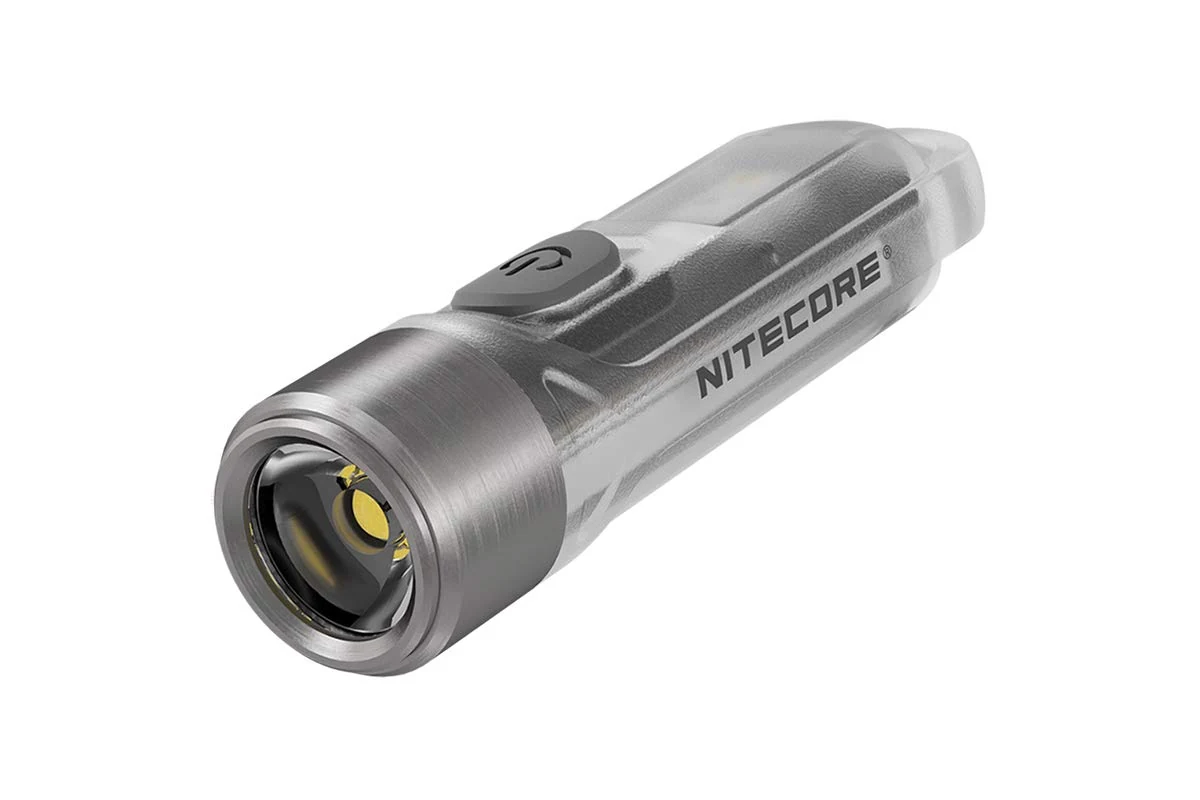
That choice shapes the rest. AAA lights such as the Lumintop EDC01 at $8 and the Olight i3T EOS at $18 run on a cell sold everywhere, and Olight i3T EOS owners say that, together with a moonlight mode low enough to keep night vision and years of pocket survival, is why it became so widely carried. A 10440 is the same size as an AAA but runs at 3.7 volts against 1.5, which is where the extra output of lights like the Emisar KC1 at $13.99 comes from; battery sellers warn it is not a drop-in for AAA devices and can damage a light not rated for it. Built-in cells avoid that question and add USB-C charging, but the light is finished when the cell wears out. The Nitecore TIKI's cell, for example, is 130 mAh by Nitecore's own figures.
Spending more buys output and extra emitters more than durability. The Nitecore TIKI at $20 packs a main emitter with high-CRI white and UV auxiliaries, which owners say replaces two or three separate lights, and Nitecore uses a quick double-press from off to reduce unintended activation. Owners of the Wurkkos TS10, now discontinued, describe a 14500 light the size of a key fob running full Anduril, with glowing aux LEDs that make it easy to find on a nightstand. The Rovyvon Aurora A5 at $37 adds side lights for close work, and owners still rate Rovyvon the leader of that format. The Olight Oclip 2 Pro at $49.99, at 2.8 oz, is closer to a clip-on light than a key fob.
What a keychain light gives up next to an EDC flashlight is runtime, beam reach and a proper grip; what it gets back is always being on you. The line between the two is blurring: a 14500 light like the TS10 now fits on a ring, so the practical test is whether the light disappears among your keys or makes the bunch awkward to pocket.
Sources: nitecore.com, batteryjunction.com, rovyvon.com
Rovyvon
$37
Flood/~33°/110 m
Not named by the maker

Olight
$18
Balanced/~29°/60 m
Philips Luxeon TX
Nitecore
$20
Flood/~32°/69 m
Osram P8


Streamlight
$30
Flood/~30°/68 m
C4 LED

Acebeam
$35
Flood/~46°/85 m
SST-36R 6500K + RGB
Nitecore
$34.95
Flood/~38°/92 m
2x quad-core MCT UHE
Convoy
$16.54
Balanced/~28°/103 m
Nichia 519A R9080 (219B, 219C, XPG2 optional)
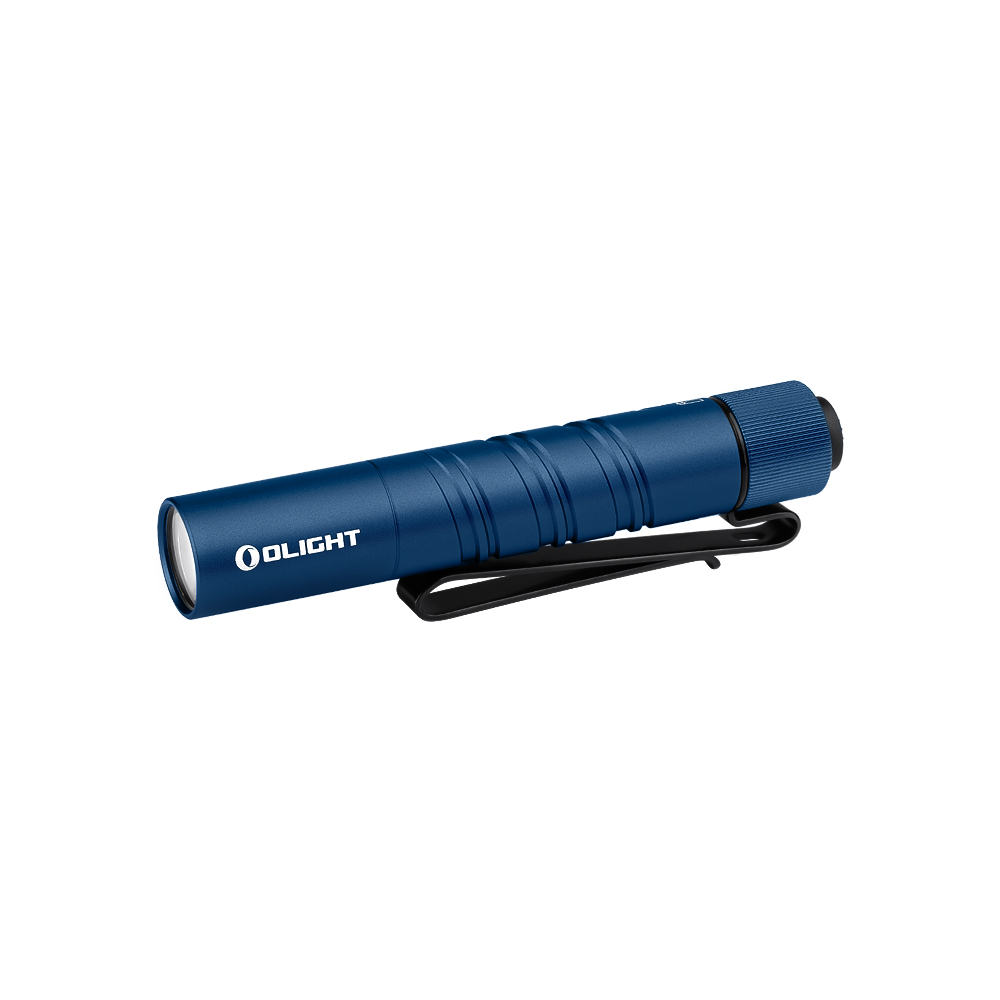
Olight
$19.99
Balanced/~30°/62 m
Not named by the maker
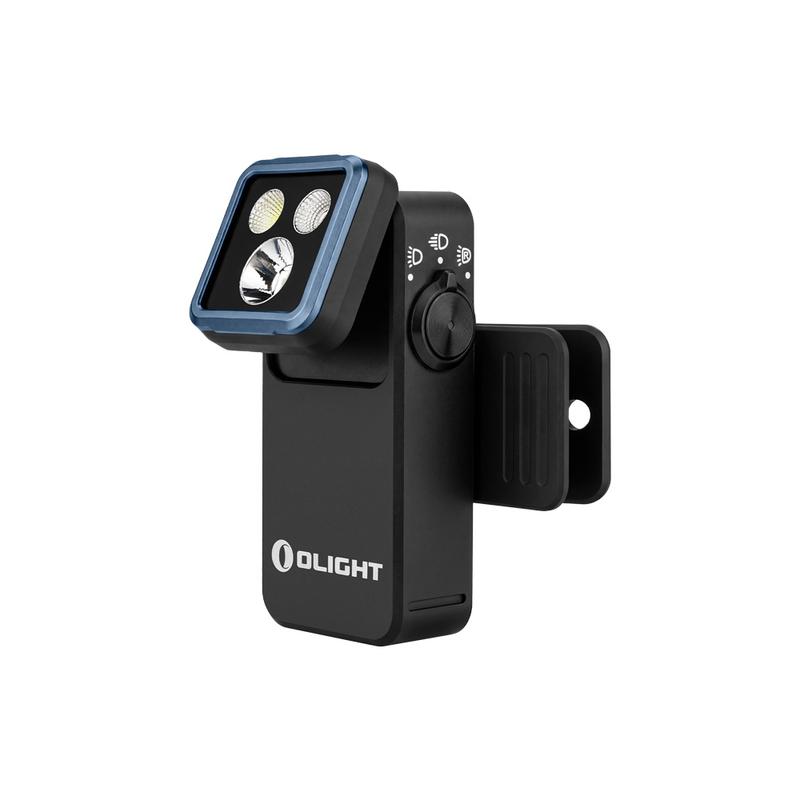
Olight
$49.99
Balanced/~24°/125 m
Not named by the maker
Wurkkos
$28.99
Luminus SST20 6000K spot + SST20 4000K flood + RGB
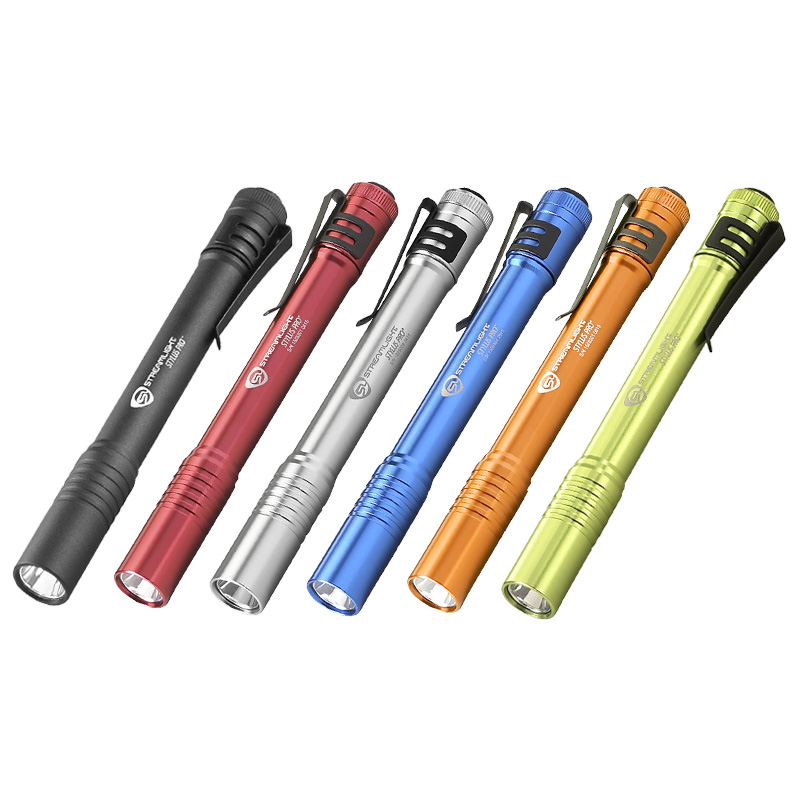
Streamlight
$28.50
Balanced/~21°/62 m
C4 LED
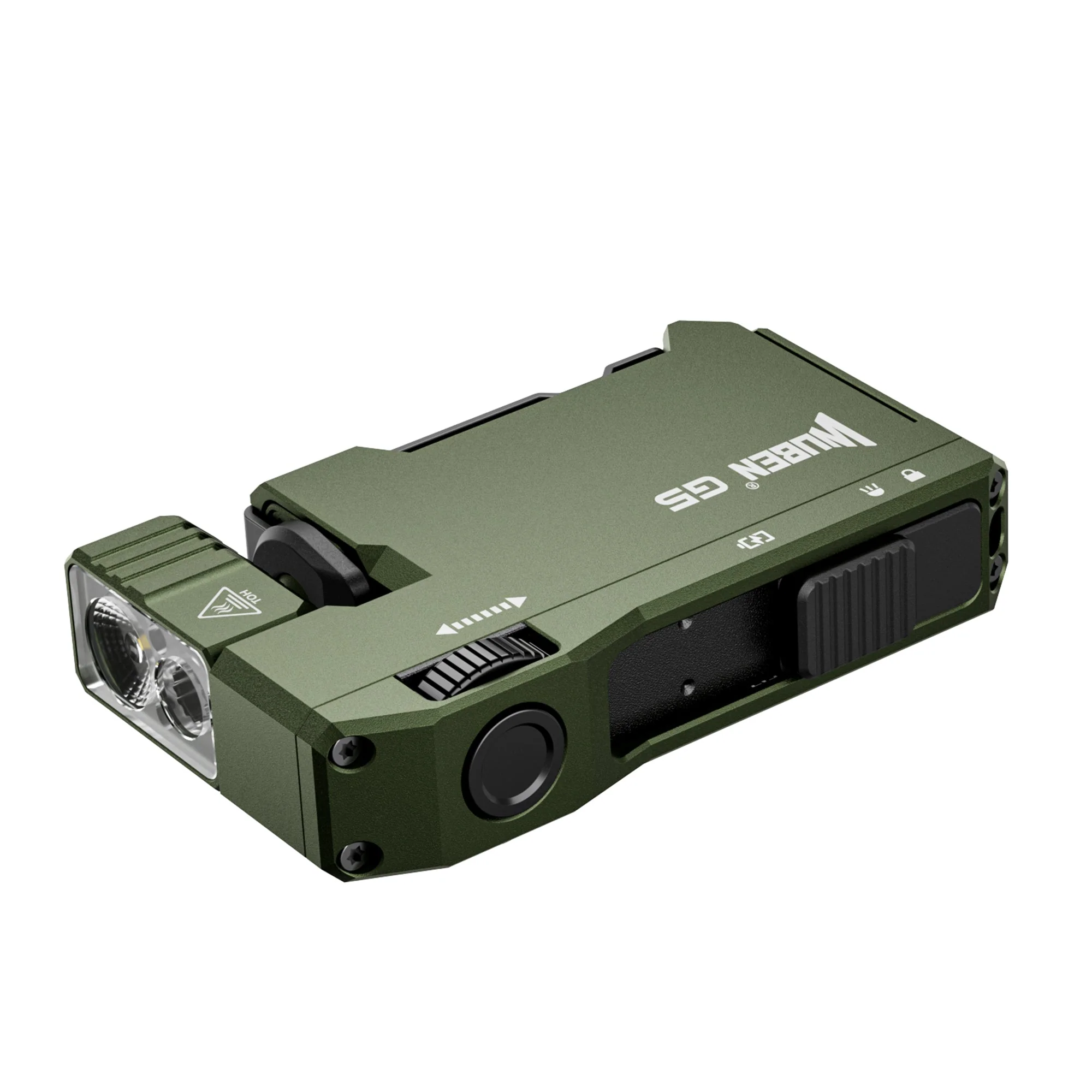
Wuben
$19.99
Flood/~32°/82 m
Not named by the maker
Manker
$25.95
Flood/~60°/70 m
2x Luminus SST20 (6500K or 4000K)
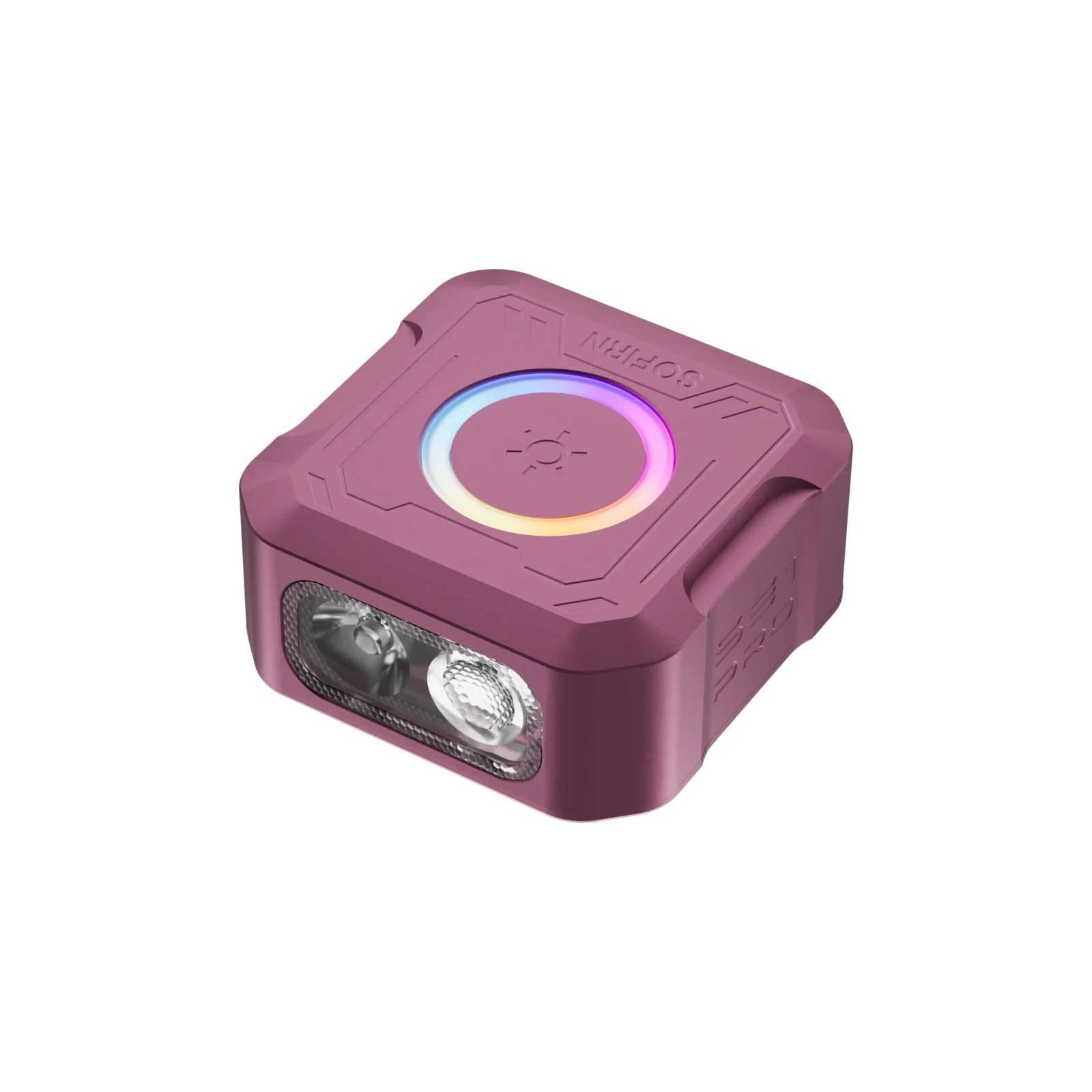
Sofirn
$23.99
5000K high-CRI white + RGB (not named by the maker)
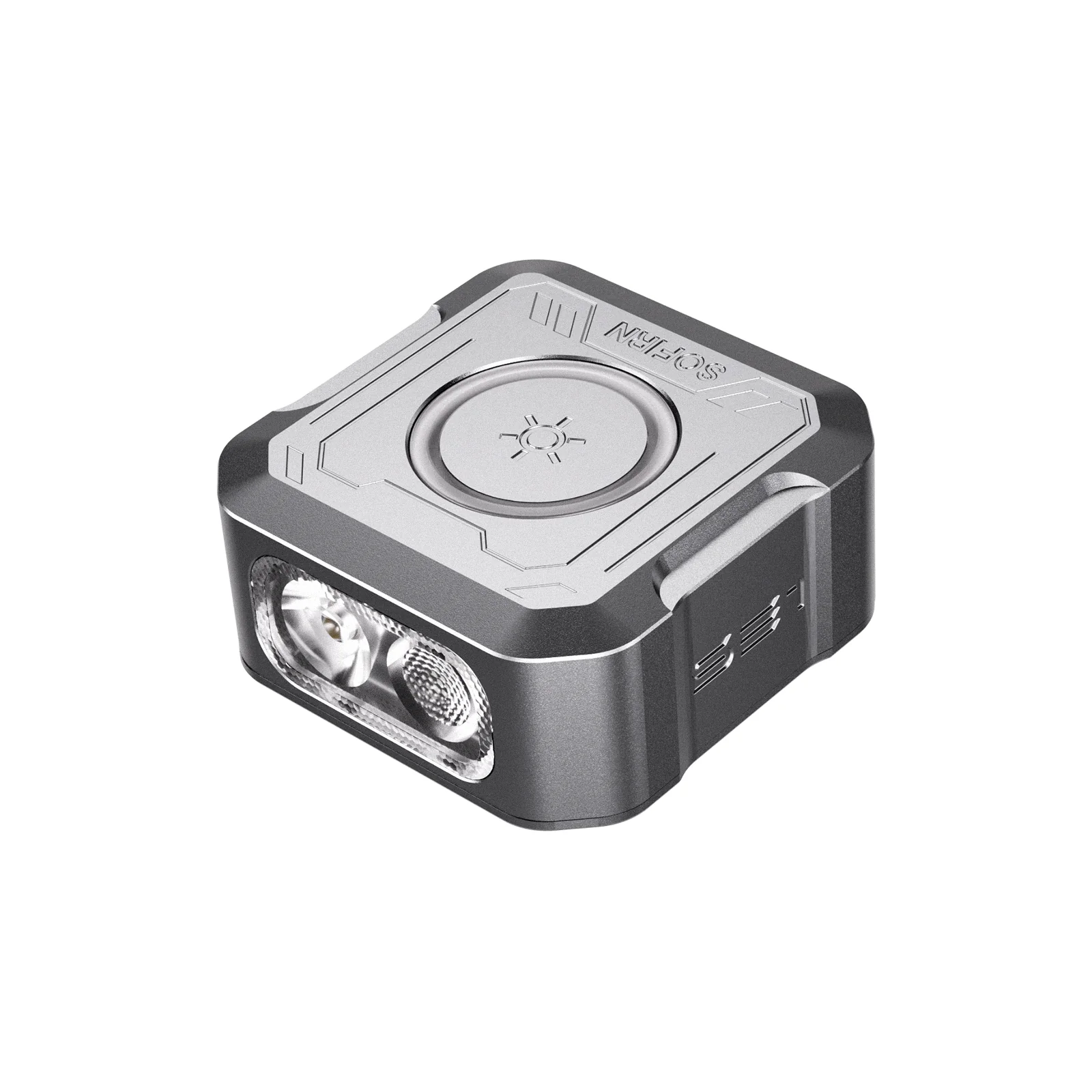
Sofirn
$17.99
Balanced/~29°/76 m
Cool white + 395nm UV (not named by the maker)
 Discontinued
Wurkkos
$23
Flood/~39°/123 m
Nichia 519A 4500K
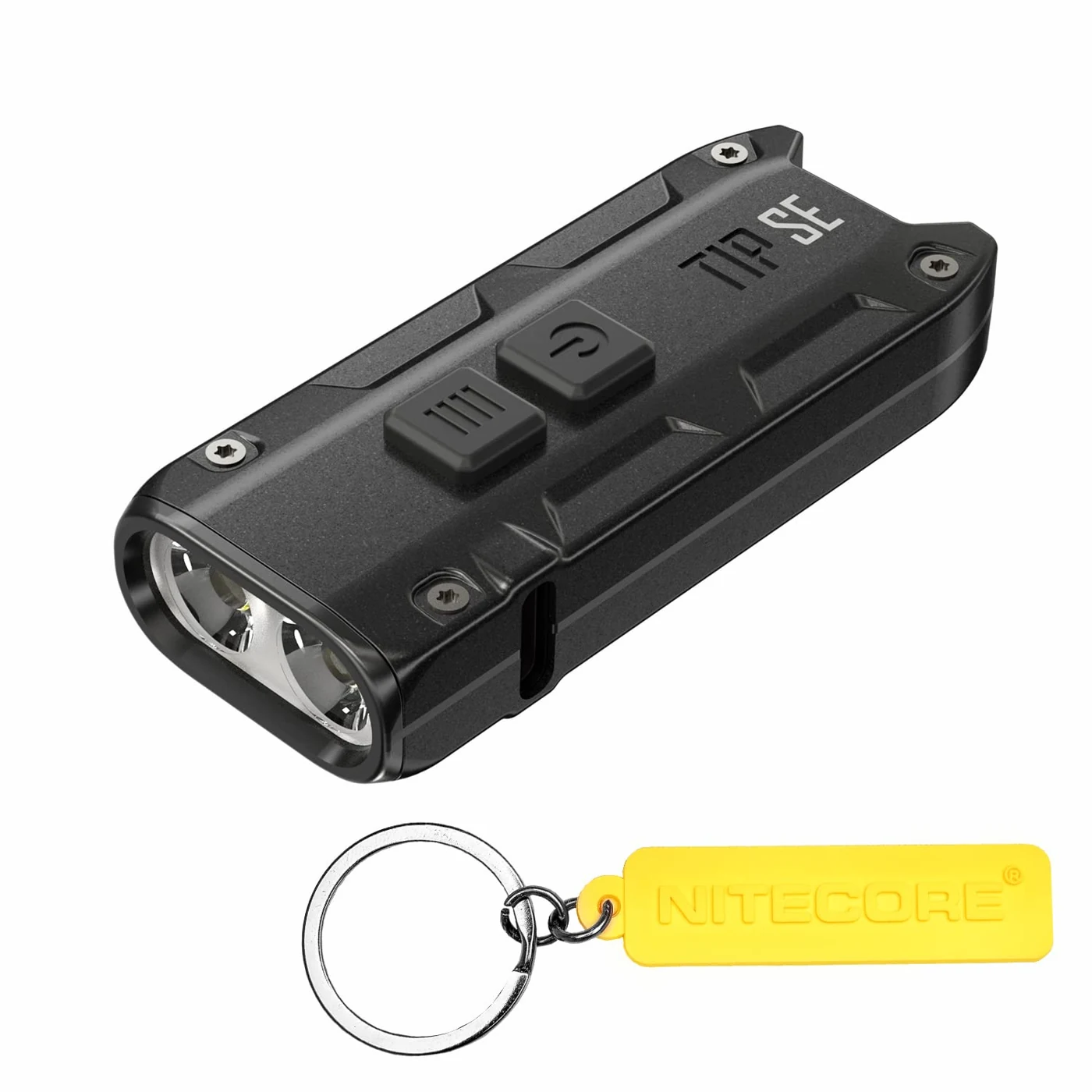 Discontinued
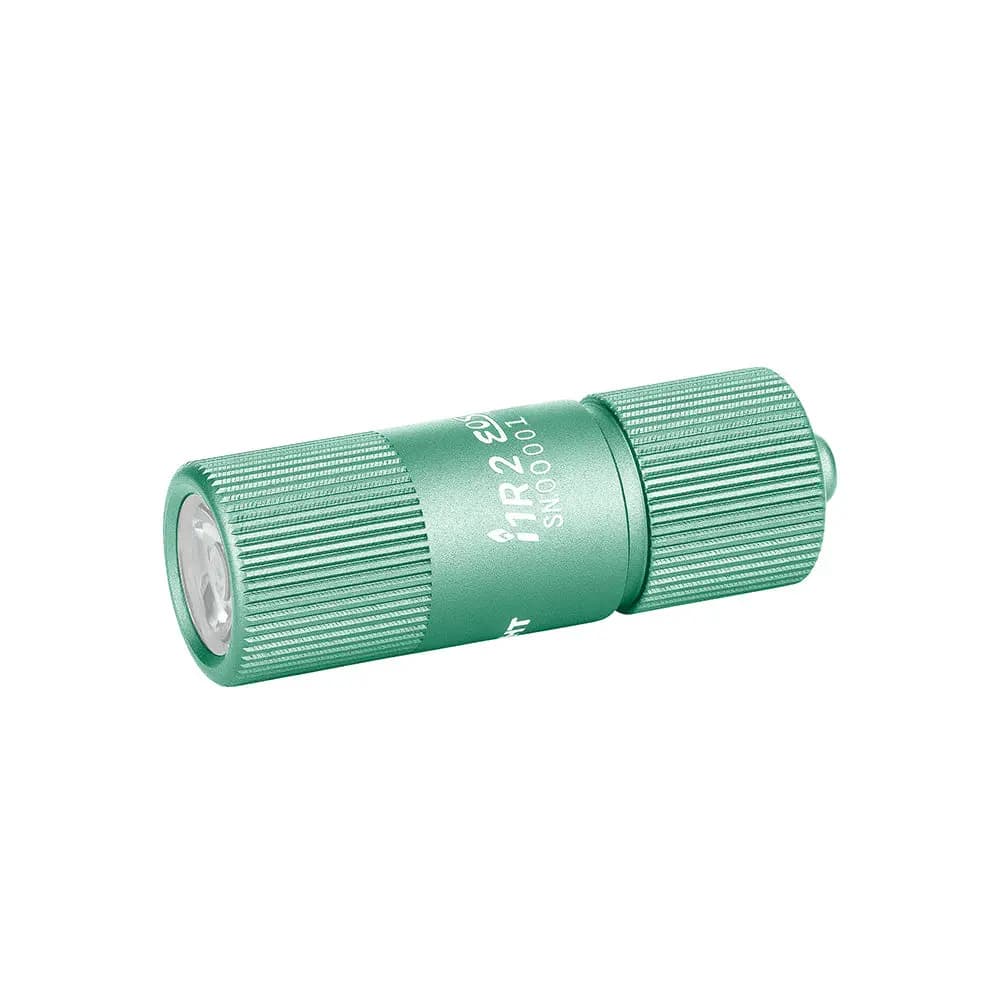 Discontinued
No. A 10440 is AAA-sized but runs at 3.7 volts, more than twice an alkaline AAA, and battery sellers warn it can damage a device not rated for it. Use one only in lights whose maker lists 10440 support, such as the Emisar KC1.
It can, which is why makers add safeguards. Nitecore says the TIKI needs a quick double-press to turn on from off, specifically to reduce unintended activation, and a light with a clip or a lockout mode is worth preferring if it shares a pocket with keys.
A built-in battery charges over USB-C and saves fiddling with cells, but the light is retired when that small cell wears out. A AAA light such as the Olight i3T EOS runs on cells you can buy at any gas station, which owners value for a light that has to work years later.