Weltool
$285
Weltool W3Pro TAC Mini
Pencil thrower/~2.7°/1,479 m
- Lumens
- 930
- Candela
- 540000
- Cell
- 18350
- Weight
- 6.3 oz (with battery)
LEP (Laser Excited Phosphor)

Weltool/Thrower
DiscontinuedWeltool no longer makes this light; what dealers have left is the last of it. Its current replacement is Weltool W3Pro TAC.
Weltool's W3 Pro used a laser-excited phosphor (LEP) module rather than an LED, sending a 363,000-candela pencil beam over 1,200 meters from a head barely wider than the tube. Output was only 505 lumens, concentrated in a narrow spot, with a forward-clicky tail offering momentary, a two-mode UI and an included USB-C 21700 cell. The W3Pro TAC is its replacement.
Beam profile
Pencil thrower, about 2.4° wide. A tight, far-reaching column with almost no spill.
Estimated from 505 lm ÷ 363,375 cd — how this works
$280
Manufacturer figures, measured to ANSI FL1 where the brand states it.
Weltool W3 Pro/4 sources reviewed
An LEP light rather than an LED one — a laser-excited phosphor source, which is what allows 363,000 candela and 1,206 metres of throw from only 505 lumens. That ratio is the whole point: almost all of the output goes into a very tight column. Independent testing measured 363,000 cd against a claimed 363,375, which is about as close to spec as any light on this site gets.
Build quality draws real praise: the matte anodising gives it a higher-class look, the knurling is good, and there's reverse-polarity and thermal protection. It runs a 21700 and ships with a 5,000mAh high-amp cell. The one recurring irritation is mechanical: because the head-side o-ring has almost no lubrication and bare aluminium threads, trying to unscrew the tailcap often unscrews the head instead.
Weltool
$285
Pencil thrower/~2.7°/1,479 m
LEP (Laser Excited Phosphor)
Weltool
$298
Pencil thrower/~2.7°/1,479 m
LEP (Laser Excited Phosphor) 5700-6700K
Weltool
$220
Pencil thrower/~2.2°/1,193 m
LEP (Laser Excited Phosphor)
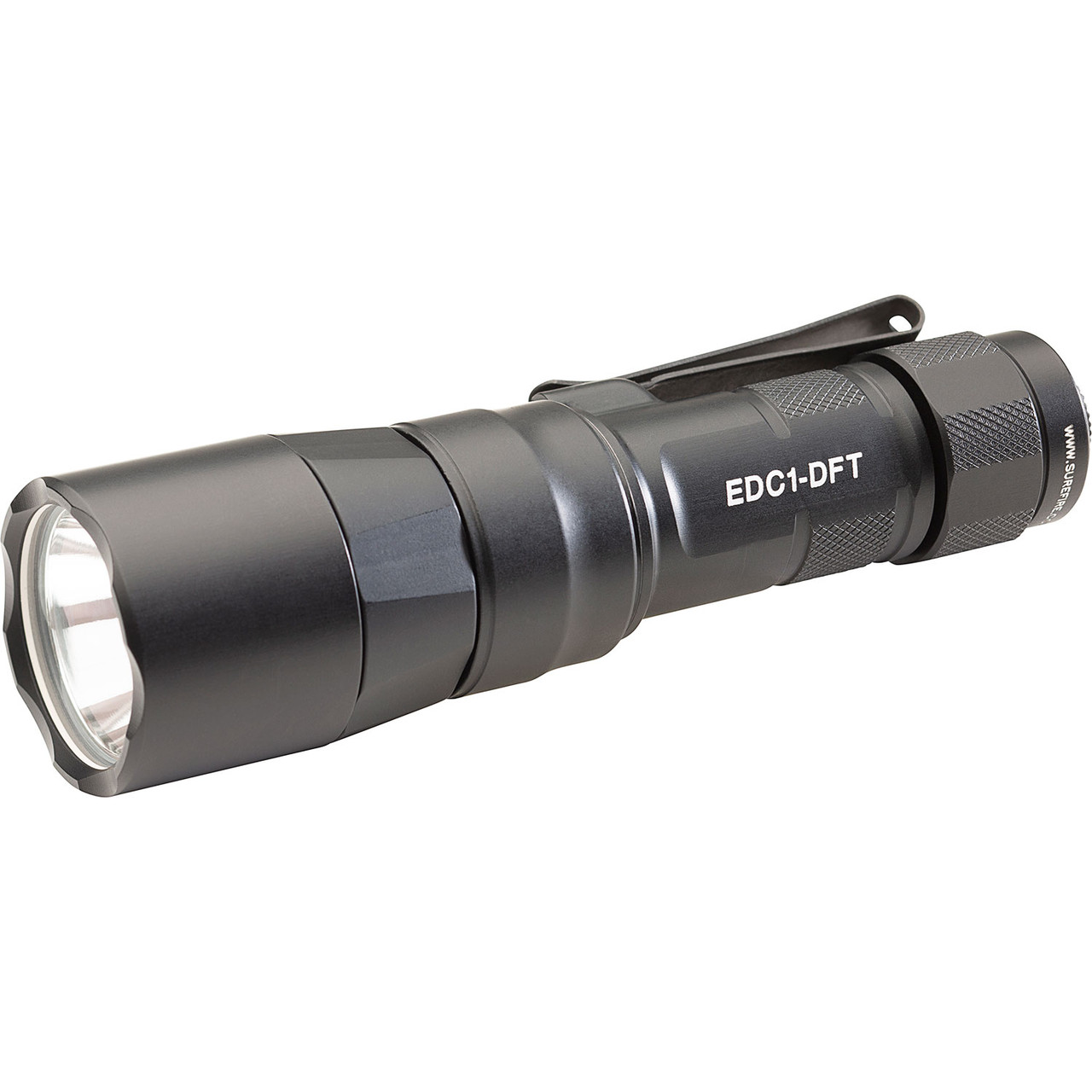
SureFire
$279
Pencil thrower/~5.3°/616 m
Not named by the maker
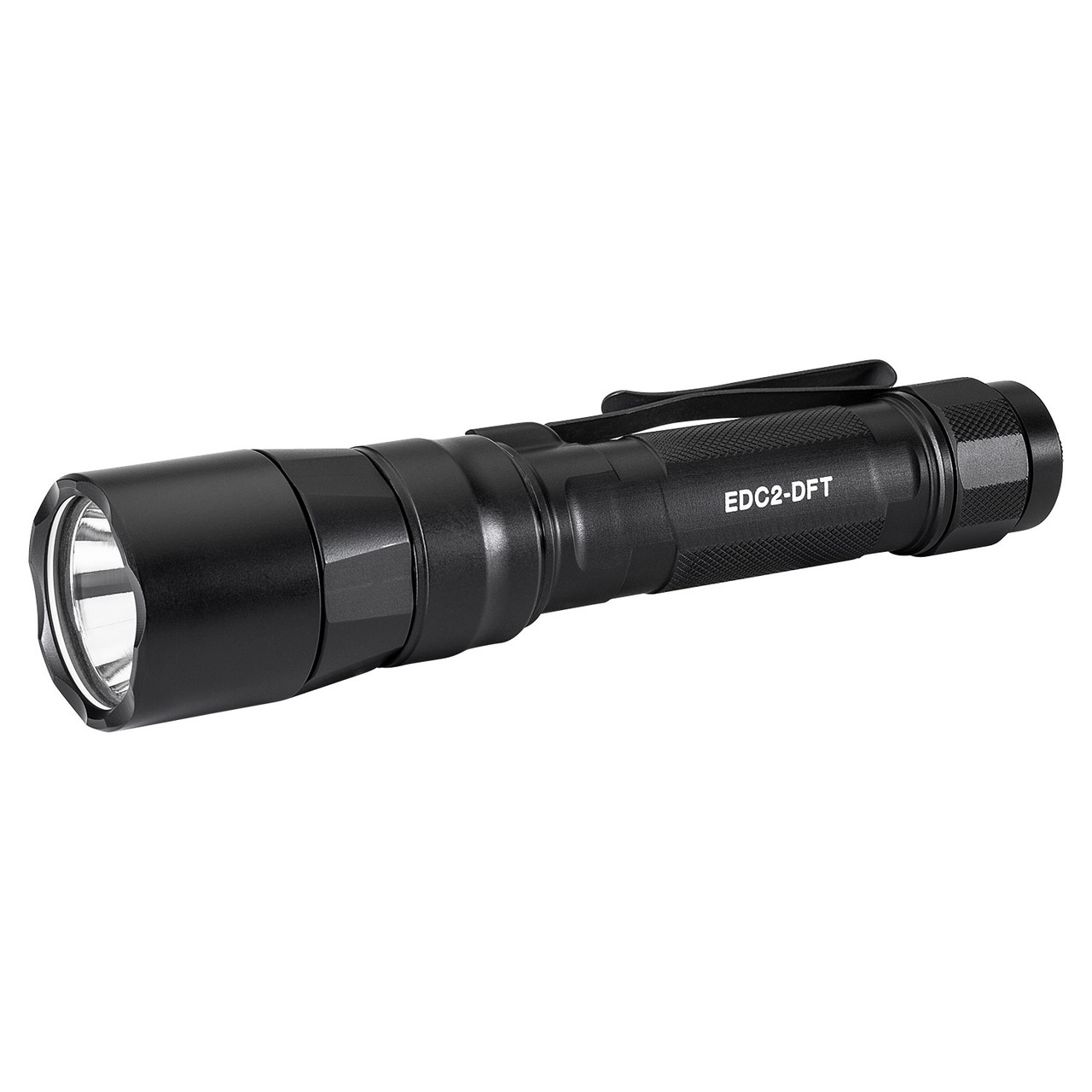
SureFire
$319
Pencil thrower/~5.4°/632 m
Not named by the maker

Acebeam
$290
Pencil thrower/~5.0°/1,620 m
4x LED + Zoomable LEP