Skilhunt
$50
Skilhunt H04 RC Mini
Balanced/~30°/123 m
- Lumens
- 800
- Candela
- 3800
- Cell
- 18350
- Weight
- 1.7 oz
Nichia 519A 5000K
Beam Picker tracks 10 Right-Angle flashlights — clip-on right-angle lights that double as compact headlamps — from 9 brands, priced $20 to $138. The brightest is the Acebeam H30 at 4,000 lumens. Compare them all below.
Turn the head of a flashlight ninety degrees and it stops being something you hold and becomes something you wear or stick down. That is the whole case for the right-angle light: clipped to a chest strap or pack strap it lights the ground in front of you, stood on its magnetic tail it lights an engine bay, and slid into a headband it is a headlamp. Firefighters, police and search-and-rescue crews use angle-head lights extensively for this reason, and buying guides describe them as the middle ground between a flashlight that ties up a hand and a headlamp that may clash with a helmet or not fit a pocket.
Most of the lights listed here sell with a headband, so the real difference from a dedicated headlamp is what happens when you take it off. A headlamp with the battery in a rear pack is more comfortable for hours of walking; a right-angle light is the better tool when you need the same light on your head, on a fender and in your shirt pocket within one job. The trade is beam shape: right-angle lights sit behind small TIR optics or shallow reflectors and lean toward flood, so for reach a straight flashlight still wins.
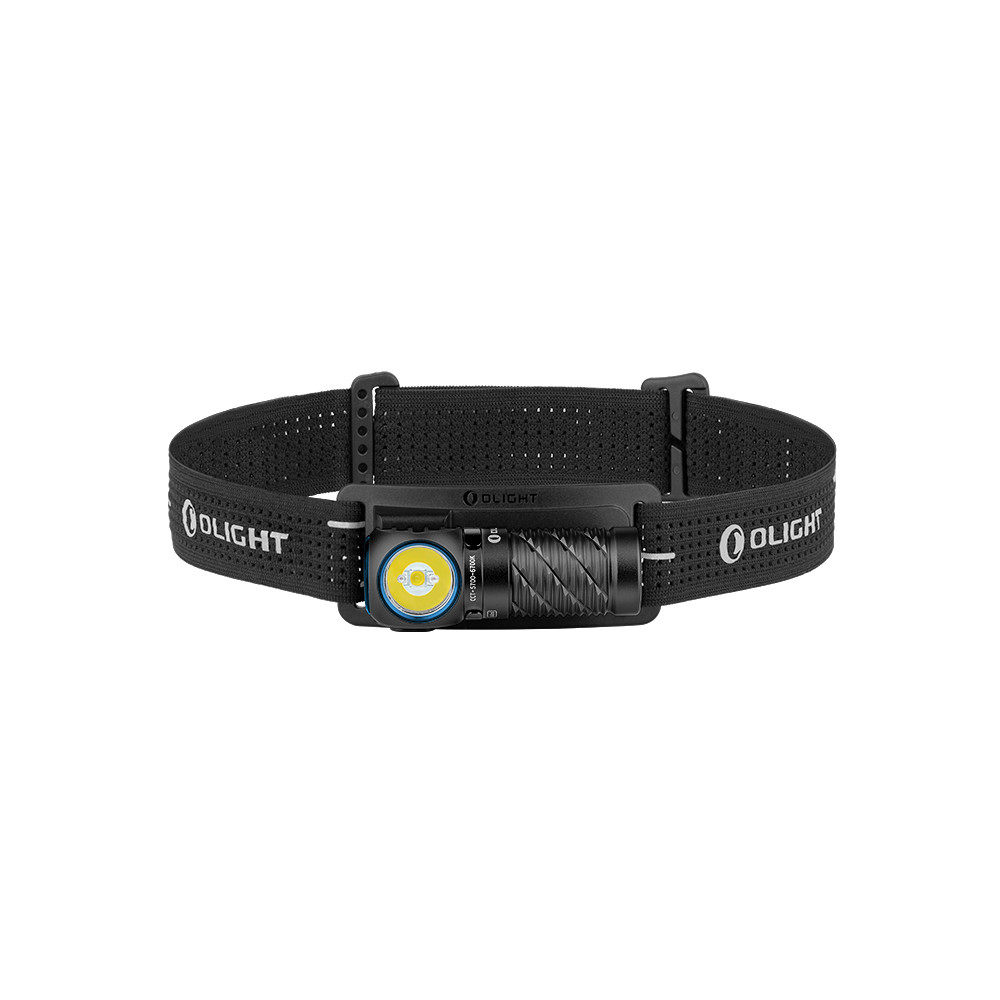
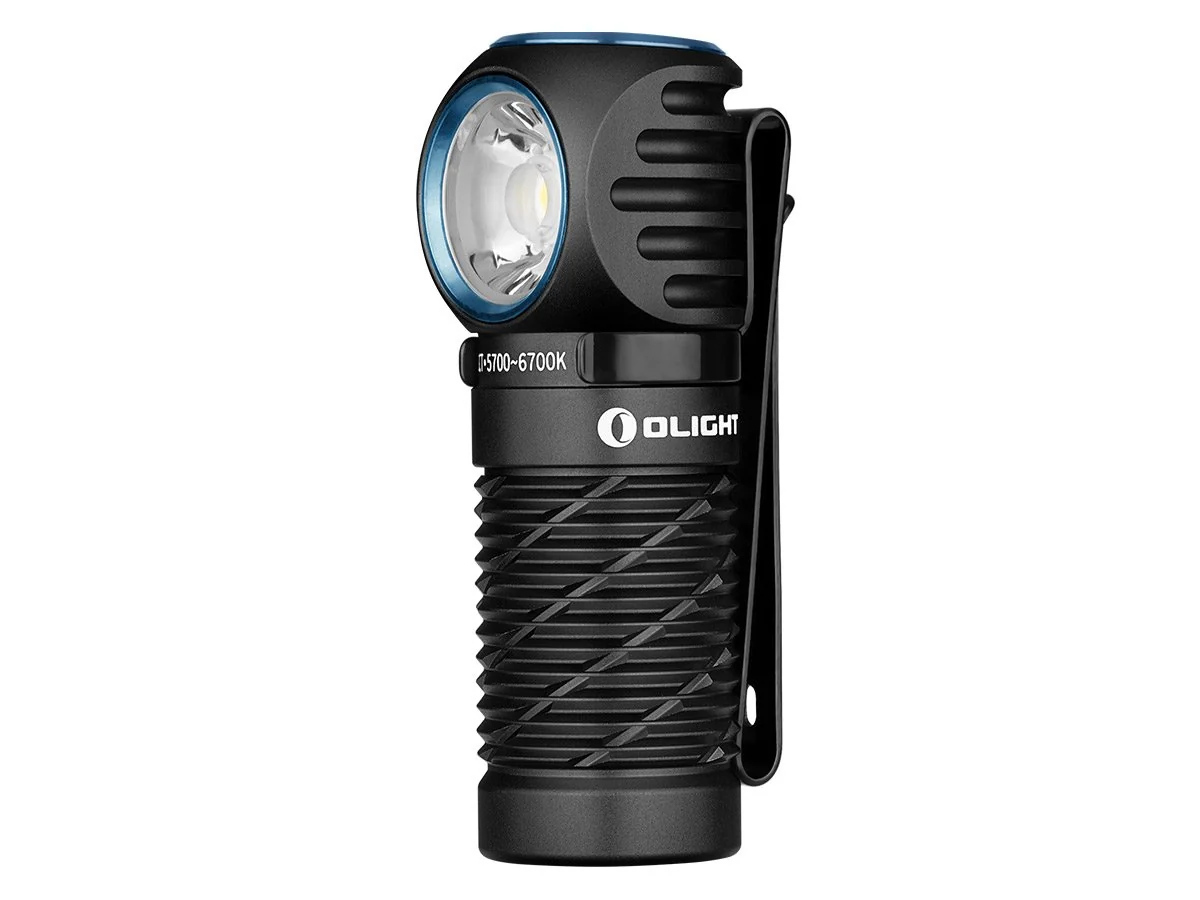
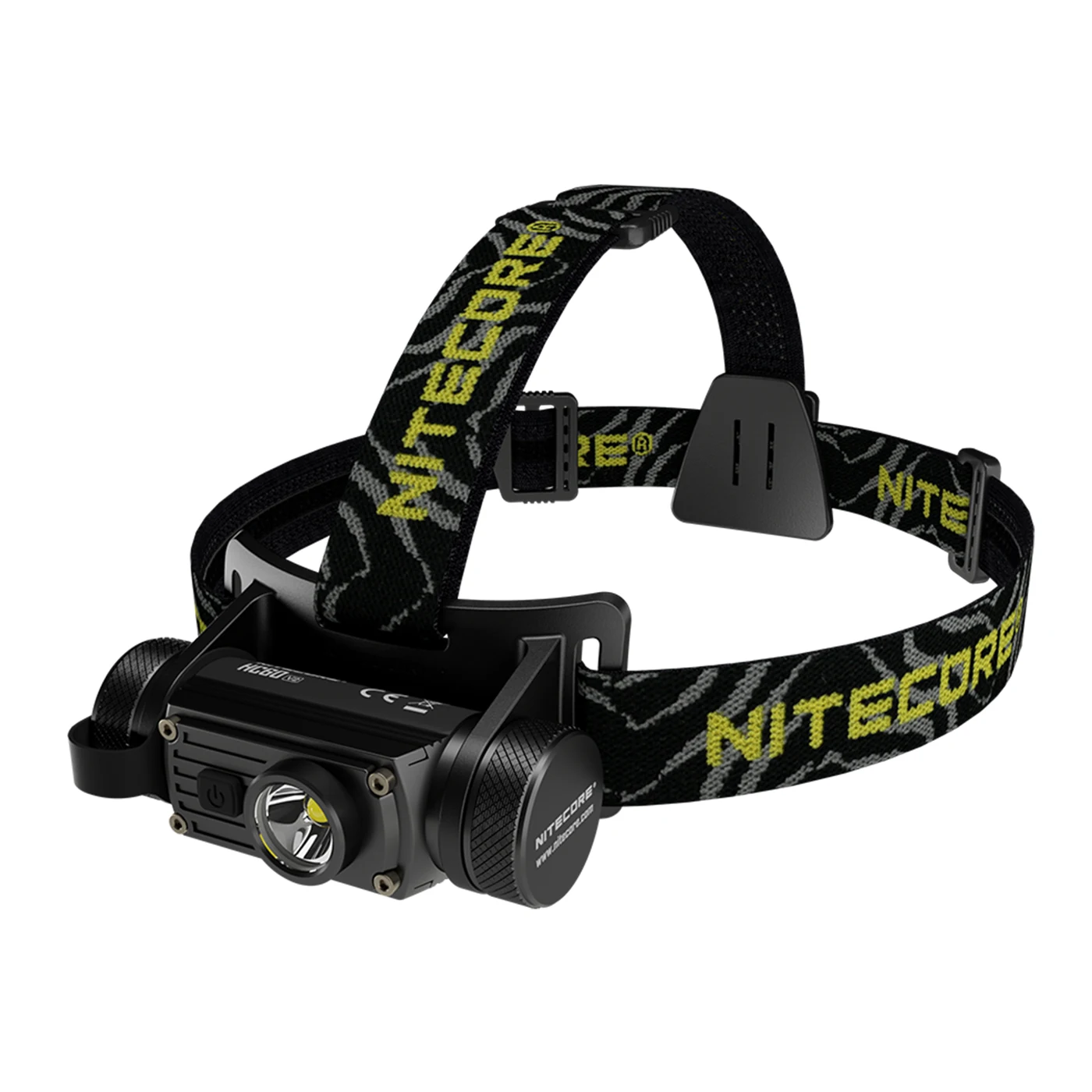
Price buys battery size and extra channels more than build quality. The Sofirn HS10 at $20 is a 1.3 oz light that owners describe as light enough to wear for long stretches, and its tail magnet makes it a workshop light for car repairs and under-sink jobs. The Wurkkos HD15 at $38 steps up to an 18650 with two emitters, and owners rate it the better buy over its larger 21700 sibling. Around $65 the Olight Perun 2 Mini and Nitecore HC60 V2 added refinement before both were discontinued: owners of the Perun 2 Mini liked the big flat switch and a clip that rotates to aim the beam, and HC60 V2 owners said the centered emitter made it feel better balanced on the head. The Acebeam H30 at $138 carries a 21700, a 4000-lumen XHP70.2 and colored secondary channels, and owners value its built-in power bank on long trips.
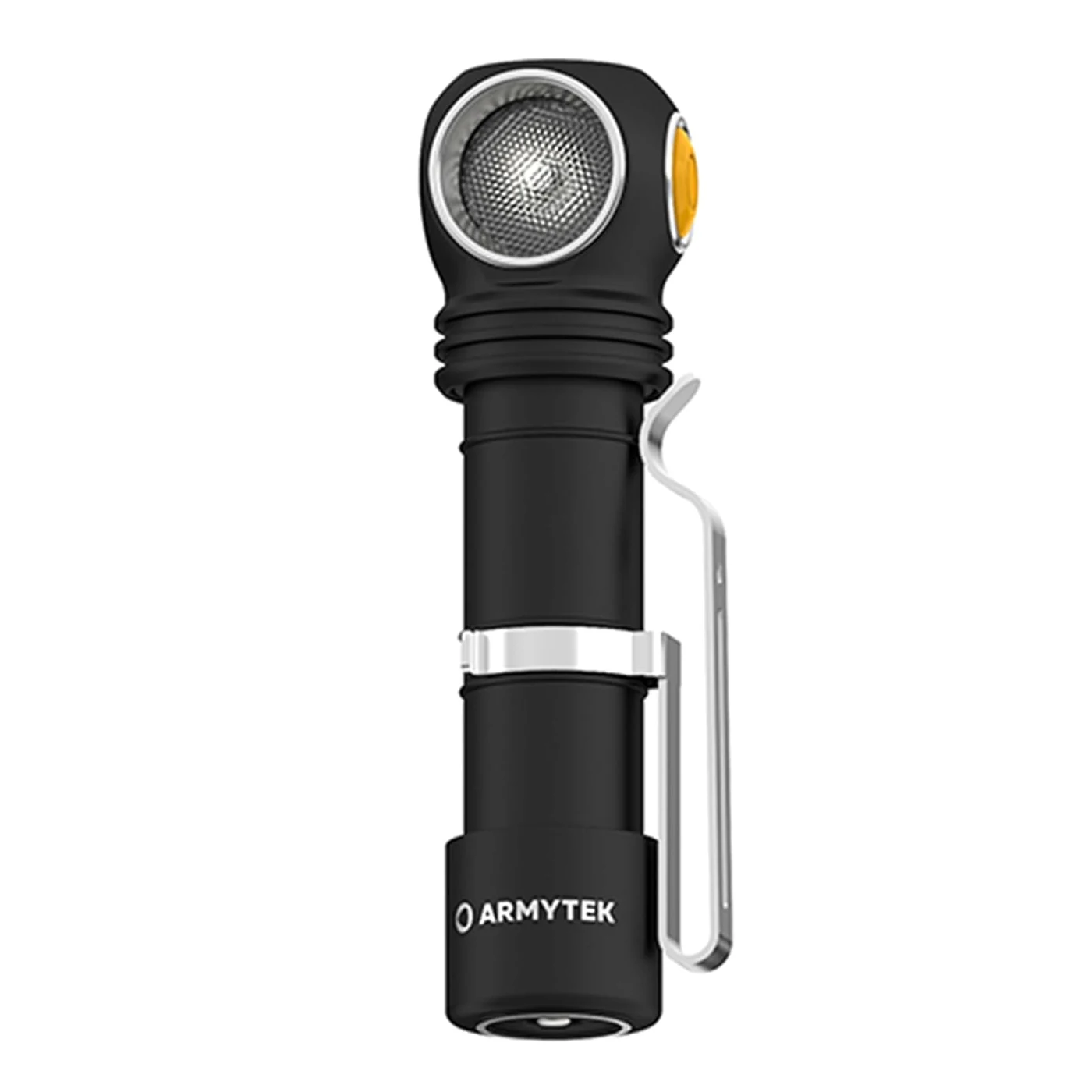
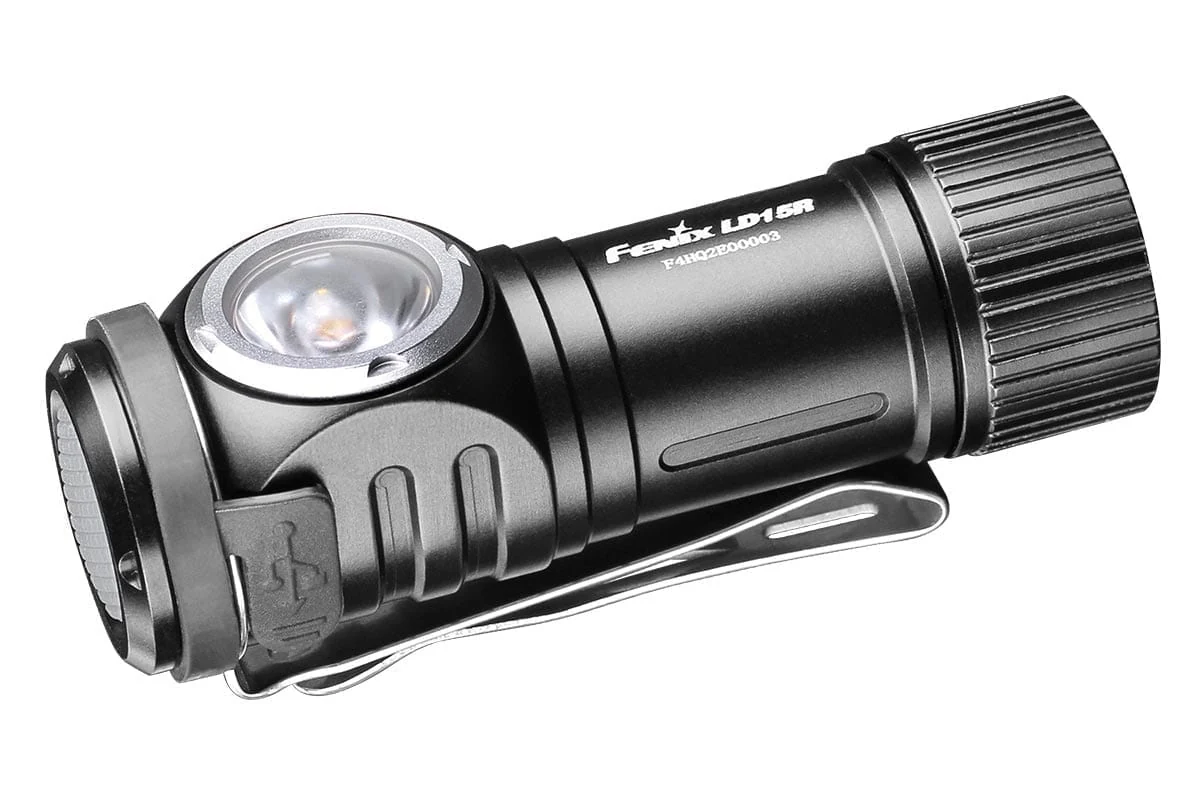
Two choices recur in owner reports. Armytek Wizard C2 Pro Warm owners say the warm emitter renders skin, soil and wood more accurately and cuts through fog and dust better than the cool version. Fenix LD15R owners rate its 4500K wide beam for crawl spaces and under-dash work, though Fenix now lists that model as discontinued.
Sources: offgridweb.com, advnture.com, fenixlighting.com, pid.pelican.com
Skilhunt
$50
Balanced/~30°/123 m
Nichia 519A 5000K
Armytek
$90
Flood/~49°/129 m
Not named by the maker

Sofirn
$20
Balanced/~29°/129 m
LH351D 5000K

Acebeam
$138
Flood/~48°/171 m
CREE XHP70.2 + Nichia 219C

Wurkkos
$38
Flood/~34°/173 m
LH351D 5000K 90CRI + SST20 5000K 70CRI
Olight
$64.99
Balanced/~30°/133 m
Not named by the maker
Emisar
$46.68
Nichia NTG35 5000K
Manker
$39.95
6500K cool white or Nichia 519A 4000K R9080
Manker
$49.95
Osram NM1 6500K spot + Samsung LH351D 4000K flood
Rovyvon
$49.95
Not named by the maker + warm/red or warm/blue sidelights
 Discontinued
 Discontinued
 Discontinued
Manker
$30
Balanced/~27°/118 m
Nichia 519A 4500K
For most short jobs, yes, since most of the lights listed here come with a headband. For long hikes a dedicated headlamp with better weight distribution is more comfortable, but a right-angle light can also clip to a strap, stand on a magnet or ride in a pocket.
It lets the light stick to a car body, a toolbox or a steel beam and point sideways at the work, leaving both hands free. Owners of the Sofirn HS10 and Fenix LD15R describe exactly this use for car repairs, crawl spaces and under-dash work.
Owners of the Armytek Wizard C2 Pro Warm say the warm version shows skin, soil and wood more naturally and copes better with fog and dust. A cool emitter usually gives a little more output on paper, so it suits people who value the brightest setting over color.